The Art of the Wholesome Wok: A Guide to Healthy Stir-Frying
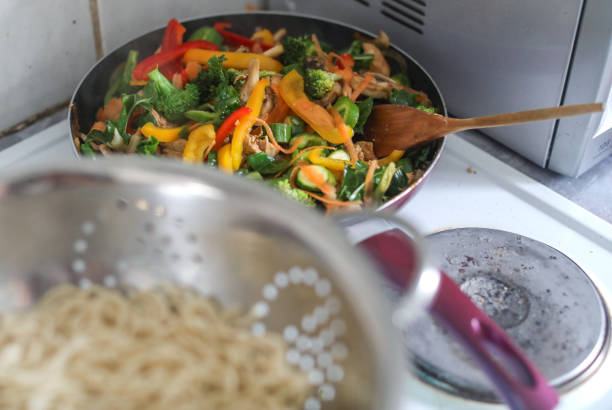
The foundation of any stir fry begins not in the wok, but at the market. Prioritizing a rainbow of vegetables is paramount. Aim to fill at least half of your plate with a diverse array of colorful produce like crisp bell peppers, broccoli florets, snap peas, carrots, and mushrooms. These ingredients provide essential vitamins, minerals, and fiber with minimal calories. For protein, lean towards skinless chicken breast, turkey, firm tofu, tempeh, or legumes like edamame. These options offer high-quality protein without the saturated fat found in marbled cuts of red meat or fatty poultry. When it comes to carbohydrates, swapping refined white rice for whole grains like brown rice, quinoa, or cauliflower rice significantly boosts the fiber content, aiding digestion and providing sustained energy.
Equally critical is the mastery of cooking technique. The traditional method requires high heat for a short duration, which preserves the crisp texture and nutrient content of vegetables far better than prolonged boiling. However, this often leads to the excessive use of oil to prevent sticking. The key is to use a high-smoke-point oil like avocado, peanut, or sesame oil sparingly; a tablespoon or two is often sufficient for an entire family-sized dish. Employing a non-stick wok or well-seasoned cast-iron skillet can further reduce the need for oil. Another proponent of health is the practice of “dry-frying” or water-sautéing: adding a small amount of broth or water to the hot pan to cook vegetables initially, only finishing with a drizzle of oil for flavor at the end. This method dramatically cuts fat content without sacrificing the beloved sear.
Perhaps the most significant threat to a healthy stir fry lies in the sauce. Many store-bought sauces and marinades are hidden repositories of sodium, sugar, and artificial additives. A single tablespoon of some soy sauces can contain nearly half of the recommended daily sodium intake. The solution is to become the architect of your own flavors. Create simple, balanced sauces at home using a base of low-sodium soy sauce or tamari, enriched with fresh garlic, ginger, chili, and a touch of acidity from rice vinegar or lime juice. For natural sweetness, a small spoonful of honey or maple syrup is preferable to cups of sugar. Thickening can be achieved with a slurry of cornstarch and water rather than heavy, pre-thickened glazes. By crafting your own sauce, you control the balance, allowing the natural flavors of the fresh ingredients to shine through rather than being masked by salt and sweetness.
Finally, the art of garnishing and accompaniment completes the healthy transformation. Topping a stir fry with a handful of chopped nuts, seeds, or fresh herbs like cilantro or basil adds a final layer of texture, flavor, and nutrients without significant calories. Being mindful of portion sizes, especially with whole-grain sides, ensures the meal remains balanced. In essence, a healthy stir fry is not defined by deprivation but by intelligent substitution and mindful preparation. It is a celebration of fresh, whole foods cooked with purpose, where the wok becomes a tool for crafting meals that are as good for the body as they are for the senses. By focusing on abundant vegetables, lean proteins, controlled fats, and homemade sauces, we can ensure that every satisfying sizzle leads to a meal that truly nourishes.