Cooking with Kids: A Recipe for Family Bonding and Fun
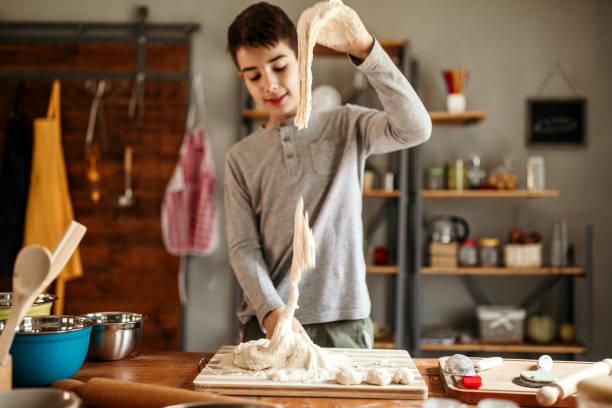
When a couple approaches cooking with their children as a team, they model beautiful cooperation and shared responsibility. Children witness firsthand how parents communicate, delegate tasks, and support one another, whether it’s one parent helping a child measure flour while the other preheats the oven, or both laughing together over a spilled cup of milk. This dynamic shifts the activity from a one-on-one interaction to a family project, where every member, regardless of age, contributes to a common, delicious goal. The kitchen becomes a laboratory for teamwork, where success depends not on perfection but on participation and mutual encouragement. This shared focus allows the couple to engage with each other in a relaxed, productive setting, united in the gentle mission of guiding and enjoying time with their child.
Beyond strengthening the parental partnership, cooking as a family is a profound educational experience for children. It is a multisensory lesson in practical mathematics through measuring, a foundation in chemistry as ingredients transform, and a canvas for creativity in decoration and presentation. Language skills grow as recipes are read and steps are discussed, and cultural horizons expand when families explore dishes from their heritage or new parts of the world. Perhaps most importantly, children develop a sense of capability and pride. The act of contributing to the family meal—whether by tearing lettuce, stirring batter, or setting the table—fosters independence and self-esteem. The couple, in guiding this learning, gets to share the rewarding role of mentor, witnessing their child’s confidence rise with each successful step completed.
Inevitably, a kitchen filled with novice chefs will encounter minor chaos. Flour will dust the floor, eggshells may sneak into the bowl, and patience will occasionally wear thin. Yet, within this gentle mess lies another invaluable lesson: resilience and adaptability. As a couple, navigating these small setbacks together—showing how to calmly clean up a spill or improvise a missing ingredient—teaches children far more than a flawless process ever could. It demonstrates that mistakes are part of learning and that the journey is as important as the destination. The laughter that follows a cupcake’s lopsided frosting or the collective triumph when a new dish is finally served becomes the glue of family lore. These are the authentic, unscripted moments that children remember, stories that will be retold for years around the very table they helped to prepare for.
Ultimately, the meal that emerges from this collaborative effort carries a significance far beyond its flavor. Sitting down to eat something created by many hands nourishes both body and soul. There is a palpable sense of shared accomplishment in every bite. The conversation flows more easily, sparked by the shared experience just had. For the couple, it is a reminder that their partnership is the foundation upon which these rich family experiences are built. Cooking with kids is more than a couple activity; it is an investment in family culture. It turns nourishment into a verb—an act of nurturing relationships, fostering skills, and weaving a tapestry of warm memories, one recipe at a time. The kitchen, therefore, stands not just as a place to prepare food, but as a potent space where family bonds are actively mixed, kneaded, and lovingly brought to rise.