The Science of Snacking: Preserving Cracker Crispness
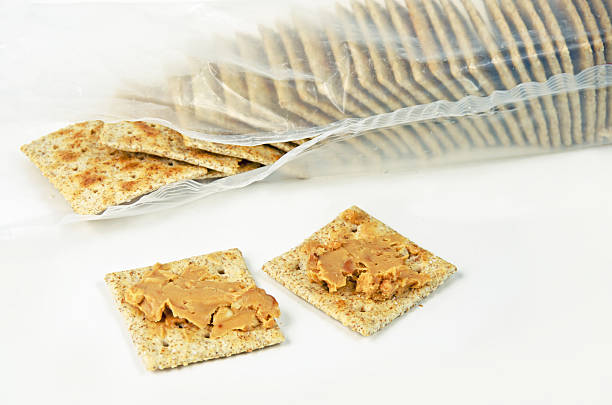
At its core, a cracker’s crispness is a state of beautiful dryness. During baking, moisture is driven out, leaving behind a rigid, porous structure. This very porosity, however, is what makes the cracker vulnerable. It acts like a microscopic sponge, eagerly drawing moisture from any available source through the process of capillary action. The key to prevention, therefore, is to manage moisture transfer and fortify the cracker’s defenses. The most direct strategy is to construct a physical barrier between the cracker and any wet topping. This is the principle behind the “buffer layer.“ Spreading a thin, impermeable coating of butter, cream cheese, or a dense pâté creates a hydrophobic shield. This fat-based layer seals the cracker’s surface pores, significantly slowing the migration of moisture from a subsequent topping like jam or fresh tomato. Similarly, when serving crackers with dips, the recommended practice is to apply the dip with a utensil immediately before eating, rather than pre-spreading an entire platter. This minimizes the contact time between the cracker’s surface and the dip’s moisture.
Environmental humidity is a more insidious foe, often overlooked until the box loses its crunch. Crackers are hygroscopic, meaning they absorb water vapor directly from the air. Proper storage is the first line of defense. Always transfer crackers from their often-flimsy cardboard sleeves into an airtight container. For added protection, placing a small desiccant packet, like the silica gel packs found in new electronics, inside the container can help scavenge ambient moisture. The pantry location matters, too; storing crackers away from the steam of the kettle or the heat of the stove preserves their dry integrity. When assembling canapés or appetizer platters for a party, timing is critical. Assemble them as close to serving time as possible. If you must prepare in advance, keep components separate until the last moment, allowing crackers to remain in their sealed sanctuary until guests arrive.
Furthermore, the choice of cracker and topping pairing involves strategic consideration. Sturdier crackers, such as water crackers, rye crisps, or thick woven wheat crackers, have a denser matrix and often a lower initial moisture content, giving them more staying power against softer cheeses or oily tapenades. Conversely, a delicate, flaky cracker will succumb almost instantly to a juicy salsa. It is also wise to consider the moisture content of your toppings. Pre-draining wet ingredients like canned tuna, chopped cucumbers, or fresh tomatoes in a sieve can remove excess liquid that would otherwise doom the base. Patting soft cheeses dry with a paper towel can also make a significant difference.
Ultimately, preserving cracker crispness is a mindful practice of moisture management. It combines the practical science of creating barriers and controlling the environment with the culinary art of thoughtful pairing and timely assembly. By viewing the cracker not as a passive vehicle but as a delicate architecture that requires defense, we elevate our snacking experience. The reward is that perfect, audible crunch—a small but satisfying triumph of preparation over sogginess, ensuring that every bite is as texturally perfect as intended.