The Harmonious Kitchen: Starting Your Culinary Collaboration
The foundation of any successful co-cooking venture is laid long before the first pan is heated. It begins with a conversation, a collaborative planning session that moves beyond simply choosing a dish. Discuss what you each enjoy—the tactile pleasure of kneading dough, the precision of knife work, the alchemy of balancing flavors at the stove. Acknowledge strengths and preferences openly; one may find chopping meditative while the other thrives on the active management of sautéing. Then, together, select a recipe that accommodates these inclinations and feels appropriately challenging but not overwhelming for a first attempt. This joint investment in the menu fosters a sense of shared ownership from the outset, preventing the dynamic of one person passively “helping” the other’s vision.
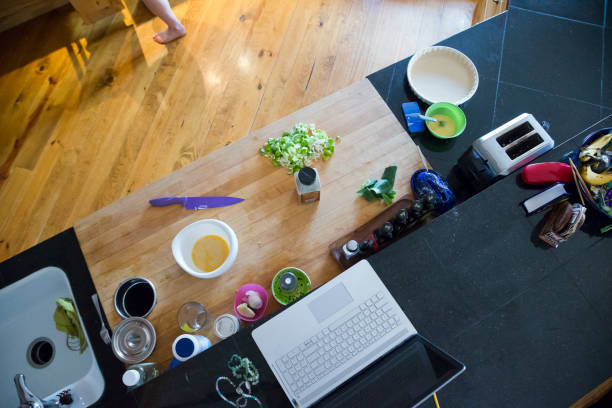
Once the plan is set, the physical orchestration of the space becomes paramount. The principle of mise en place—having all ingredients prepped, measured, and within reach—is doubly important for two cooks. This transforms the active cooking phase from a frantic scramble into a more streamlined assembly. Take this preparation a step further by dividing the prep tasks side-by-side before the cooking begins. Working in parallel during this calm stage, one washing and tearing greens while the other dices aromatics, establishes an early rhythm of teamwork without the pressure of timers and hot oil. It also naturally allocates resources, ensuring you are not both vying for the same chef’s knife or cutting board when the action starts.
During the cooking itself, the key is to define roles not by hierarchy, but by flow and function. Think of the kitchen in zones: a prepping zone, a cooking zone, and a plating zone. Assign primary responsibility for a zone or a specific component of the meal, like the sauce or the protein. This creates clear lanes of operation, minimizing cross-traffic and the danger of two hands reaching for the same skillet handle. Crucially, this division must be paired with clear, courteous communication. A simple “behind you” or “hot pan coming through” is essential for safety and courtesy. Verbalize your next steps—“I’m going to deglaze the pan now”—so your partner can anticipate the sizzle and steam. This constant, low-level commentary is not micromanagement; it is the audio track of your coordination.
Ultimately, the goal is to cultivate an atmosphere of gracious flexibility, where the joy of creating together outweighs the dogma of the recipe. There will be moments of missteps, a forgotten ingredient or an over-zealous pinch of salt. Responding with humor and adaptability is what transforms a cooking session from a performance into a partnership. Remember that the shared experience—the conversation, the laughter, the collective problem-solving—is as much the point as the food on the plate. By planning with intention, organizing with clarity, communicating with consideration, and embracing the process with generosity, you lay the groundwork not just for a meal, but for a ritual. You stop getting in each other’s way and start creating a new, shared space where the kitchen becomes a testament to your collaboration, one delicious dish at a time.