Maximizing Minimalism: Thriving in a Tiny Kitchen Without Space
The first and most profound shift occurs in mindset. One moves from a philosophy of accumulation to one of curation. In a kitchen with no space, every item must earn its keep. This necessitates a ruthless audit of gadgets, duplicate tools, and single-purpose appliances that languish in larger kitchens. The result is a curated collection of true workhorses: a chef’s knife that feels like an extension of the hand, a versatile cast-iron skillet, and a sturdy saucepan become the trusted foundation. This minimalism is liberating, reducing decision fatigue and clutter, both physical and mental. Cooking becomes about skill and ingredient quality rather than gadgetry, echoing the principles of chefs in even the world’s most prestigious—and often compact—professional kitchens.
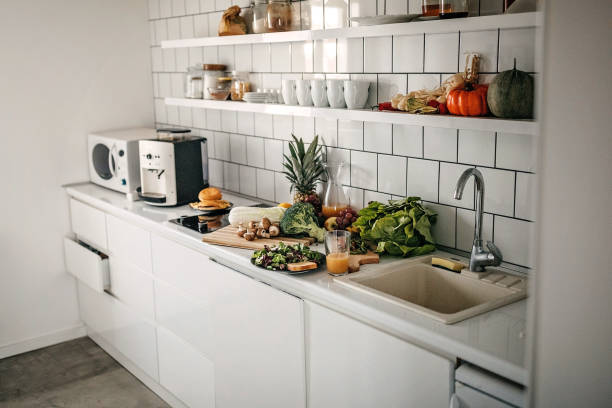
This constraint fuels spatial innovation. Vertical space, often overlooked, becomes the most valuable real estate. Walls host magnetic strips for knives, racks for hanging mugs or utensils, and shelves for spices or beautiful jars of staples. The inside of cabinet doors transform into storage for lids, measuring spoons, or cleaning supplies. A rolling cart can provide a vital landing strip for groceries or an auxiliary surface, tucking away when not in use. The key is to perceive the kitchen not as a fixed footprint but as a dynamic, three-dimensional puzzle where every inch, both inside and out, has potential. This often leads to smarter organizational habits, as the necessity of “a place for everything and everything in its place” becomes non-negotiable for functionality.
Furthermore, a tiny kitchen fundamentally alters one’s approach to meals and shopping. Bulk buying gives way to a European-style daily or weekly shop for fresh, intentional ingredients. This not only saves storage space but also promotes fresher, healthier eating with less food waste. Meal planning evolves from a casual suggestion to a critical strategy, ensuring that purchases are precise and that leftovers are creatively repurposed. Cooking techniques may adapt, too, favoring one-pot wonders, sheet-pan dinners, and sequential preparation that respects the single available workspace. The process becomes a graceful dance, a lesson in mise en place where ingredients are prepped and staged before the heat is even turned on.
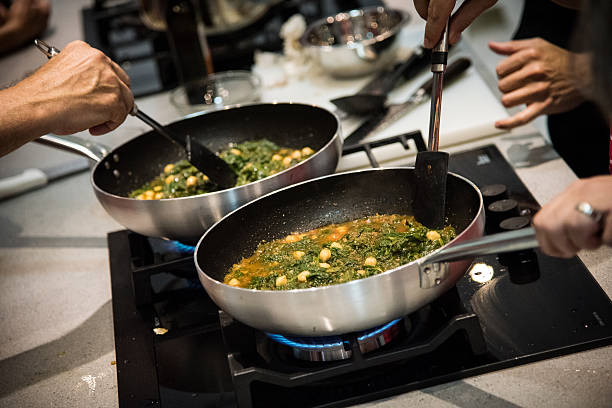
Ultimately, a kitchen with no space extends its influence beyond the physical realm, fostering a culture of connection. It naturally discourages solitary cooking marathons and instead invites collaboration and conversation. With room for only one or two people to work comfortably, it becomes a stage for intimate interaction—chopping vegetables together, sharing a glass of wine while something simmers, or teaching a child how to knead dough on the sole square foot of counter. It encourages taking the meal elsewhere, to a table that becomes the true heart of the home, separating the functions of preparation and consumption. The tiny kitchen, therefore, ceases to be a place of lack and becomes a highly efficient engine for nourishment, a lesson in living with less, and a surprising catalyst for richer human connection. It proves that the warmth of a home is not measured in square footage but in the ingenuity and love simmering within its walls.