Dim the Lights and Light Candles: The Simple Secret to a Better Cooking Date

Candlelight, in its place, works a subtle magic. The gentle, flickering glow immediately softens the environment. It draws a circle of warmth around you, making the kitchen feel smaller, cozier, and more private. Visually, it erases the minor messes and imperfections, focusing attention on what matters: the food, your partner, and the shared activity at hand. This isn’t about hiding your kitchen, but about framing the experience. The dance of light on a simmering pot, the glint off a glass of wine, the soft shadows on your partner’s face as they laugh—these details become the backdrop of your evening, not the clutter of mail on the fridge.
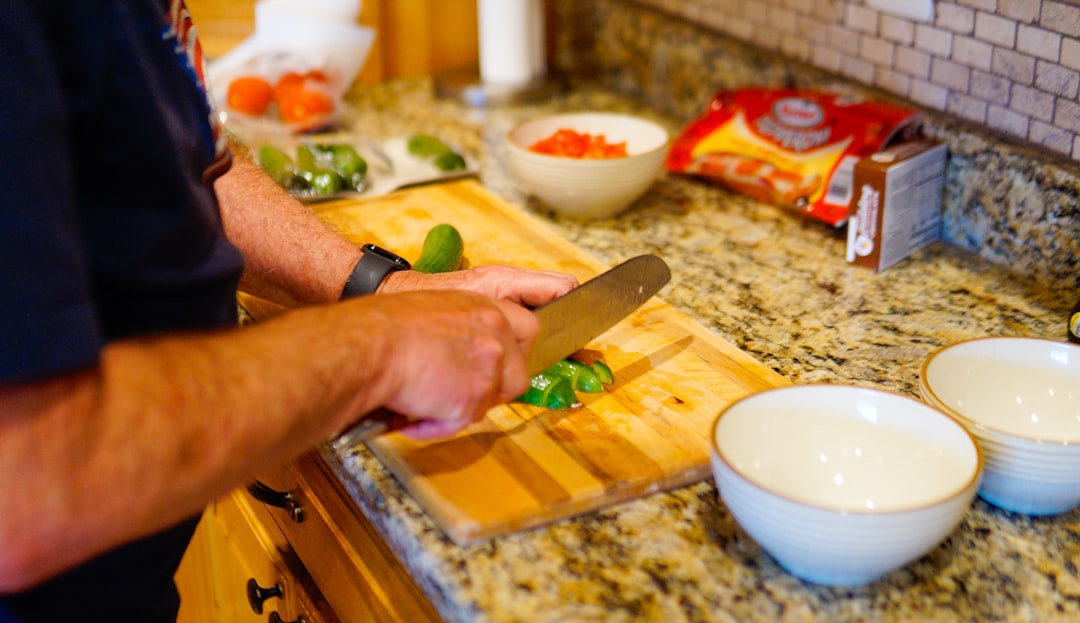
The effect goes deeper than aesthetics. Harsh lighting triggers a state of alertness and focus on individual tasks. The soft, uneven light of candles triggers a physiological response conducive to relaxation and connection. It encourages your pupils to dilate, literally softening your gaze. It lowers perceived stress levels and slows the pace. Chopping vegetables becomes a rhythmic, meditative act rather than a race to the next step. You are more likely to move deliberately, to pause for a taste, to touch your partner’s hand as you pass a spoon. The conversation naturally quiets and deepens; there’s no bright light to hold under your words, so you speak more freely, more softly.
Practically, this approach requires minimal effort. You don’t need a dozen expensive pillars. Two or three simple votives or tealights placed safely away from drafts and paper towels are sufficient. Place one on a windowsill, another on the counter where you’re prepping, perhaps a third on the dining table if it’s within the kitchen space. The goal is ambient glow, not a well-lit cooking show. For overhead lights with dimmers, turn them down to their lowest setting, just enough to navigate safely to the pantry. If you only have a bright switch, turn it off completely and rely on under-cabinet lighting or a single lamp brought in from another room. The key is to banish the main overhead source.
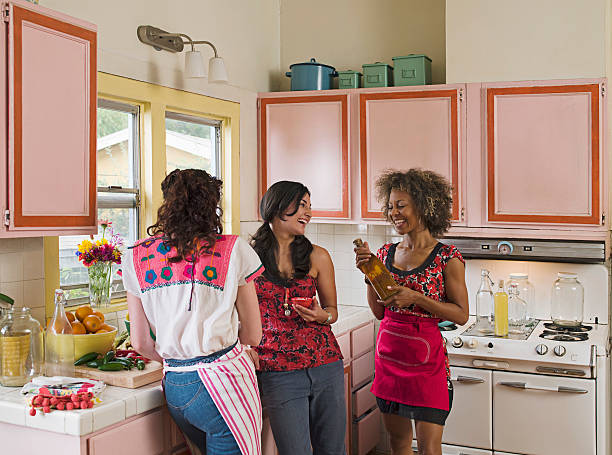
This simple act of dimming the lights and lighting candles is a signal. It’s a non-verbal agreement between you and your partner that for the next hour, the outside world and its demands are muted. The goal is not a perfect meal, but a shared experience. You are not just feeding yourselves; you are nourishing your connection. The kitchen sheds its purely functional identity and becomes a place of collaboration, sensory pleasure, and quiet conversation. So tonight, before you even pick up a knife or preheat the oven, start here. Flip the switch, strike a match, and watch as the ordinary task of making dinner transforms into the intimate ritual of cooking together.