Do We Need to Be Good Cooks to Start in the Kitchen?
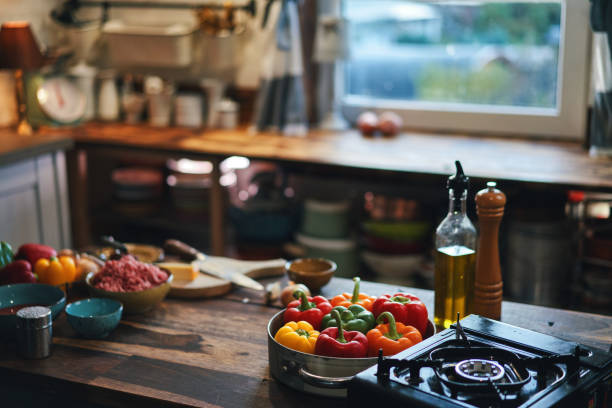
Consider the fundamental purpose of cooking. At its core, it is the transformation of raw ingredients into sustenance. Humanity has engaged in this practice for millennia, long before the concept of the “good cook” as we know it existed. Starting from a place of necessity rather than artistry is a perfectly valid and honorable entry point. The first goal can be as simple as boiling pasta and heating a jar of sauce, or scrambling eggs without burning them. These acts are not lesser; they are the first steps in developing a relationship with food, heat, and timing. Competence and, eventually, creativity are born from this repetition. One does not need to craft a delicate hollandaise to make a satisfying meal; a well-seasoned roasted chicken with vegetables, achieved through following clear instructions, is a triumph that builds confidence for more complex endeavors.
Furthermore, the modern culinary landscape is uniquely suited to the absolute beginner. An unprecedented wealth of resources exists to guide the novice. Detailed recipe blogs with step-by-step photographs, video tutorials that demonstrate techniques in real time, and even meal-kit services that deliver pre-portioned ingredients all serve as external scaffolding. These tools effectively act as training wheels, allowing the beginner to bypass the need for prior knowledge. A person does not need to know why onions are sautéed first in a stew to follow the instruction to do so; through the act of doing, they observe the softening and sweetening, and the knowledge becomes integrated. The “good cook” is often just a beginner who persisted, learning from each under-salted soup or over-baked cookie.
The fear of failure, however, is perhaps the most significant barrier. The notion that one must be “good” to start is often a shield against the embarrassment of a failed dish. Yet, culinary mishaps are not just common; they are essential tutors. A burned piece of toast teaches vigilance about heat. A bland soup is a lesson in the power of salt and acid. These experiences are not indictments of one’s ability but data points for improvement. The kitchen, unlike many arenas of life, is forgiving in its consequences. A ruined meal may lead to a disappointing dinner, but it rarely leads to catastrophe. This environment allows for low-stakes experimentation, where the cost of failure is simply a lesson learned.
Ultimately, the pursuit of cooking is a journey of empowerment and connection. To wait until one is “good” is to deny oneself the immediate joys of the process: the tactile pleasure of kneading dough, the aromatic alchemy of garlic hitting warm oil, the profound satisfaction of sharing a self-made meal. These experiences are available at every level of skill. The culinary world is not a gated community for the talented; it is an open kitchen with a perpetual invitation. The only true prerequisite is to light the stove, to chop the onion, and to begin. Mastery may follow, but it is the act of starting—imperfect, hesitant, and hopeful—that truly transforms a person into a cook. The journey of a thousand meals begins with a single, perhaps imperfect, bite.