Do You Need to Bring Your Own Cooking Tools?
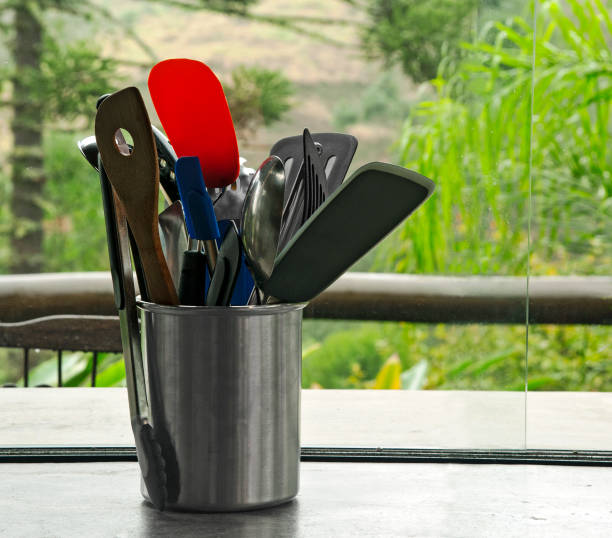
For many, the primary factor is control and familiarity. A chef’s knife that fits perfectly in your hand, a well-seasoned cast-iron skillet, or a specific microplane grater can feel like an extension of oneself. In an unfamiliar kitchen, whether a rented cabin or a friend’s apartment, you are at the mercy of the previous occupant’s habits and priorities. You may find a drawer full of mismatched, dull knives and a single warped non-stick pan, turning the simple joy of cooking into a frustrating chore. Bringing your own core tools guarantees a baseline of quality and efficiency. It ensures you have the right equipment for the recipes you plan to execute, freeing you from the limitations of an understocked or poorly maintained kitchen. This control is not merely about convenience; for those with dietary restrictions or specific culinary passions, it can be essential.
Conversely, the principle of convenience and travel logistics argues heavily against hauling a full knife roll or a set of pots. Airline baggage restrictions, limited car space, and the sheer weight of quality cookware are significant deterrents. The entire point of a vacation rental, for instance, is often to escape the burdens of daily life, which includes outfitting a kitchen from scratch. Furthermore, in many shared or temporary situations, there is an expectation of basic provisions. Most reputable vacation rentals, hostels with guest kitchens, and even some campgrounds provide a standard set of serviceable pots, pans, and utensils. The question then morphs from absolute need to one of tolerance. Are you willing to work with potentially inferior tools for the sake of simplicity? For a short trip involving simple meals like pasta or scrambled eggs, the provided tools are often perfectly adequate.
The context, therefore, is the ultimate decider. A weekend camping trip necessitates bringing your own compact camp stove, mess kit, and spork—there is no alternative. A week-long stay at a curated boutique rental that advertises a “gourmet kitchen” might inspire you to trust the listing, though a single cherished knife might provide peace of mind. Moving into a new apartment with roommates requires a conversation and likely a collaborative approach to outfitting the shared space. A large, organized group event, like a family reunion at a rental house, might benefit from a designated person bringing a few key specialty items—a quality chef’s knife, a large salad spinner, or a particular roasting pan—to complement the expected basics.
In conclusion, while we may not always need to bring our own cooking tools, doing so often bridges the gap between mere sustenance and a pleasurable, reliable cooking experience. It is an exercise in risk management. By assessing the reliability of your destination’s kitchen, the complexity of your meal plans, and your personal culinary standards, you can make an informed decision. Packing a single, versatile knife or a favorite spatula can be a lightweight compromise that offers disproportionate rewards. In the end, the goal is to feed yourself and others in a way that brings satisfaction, not stress. Whether that means traveling with a full toolkit or confidently relying on what’s provided, the best choice is the one that leaves you more time to enjoy the meal and the company around it.