Effortless Kitchen Cleanup: Strategies for a Spotless Space
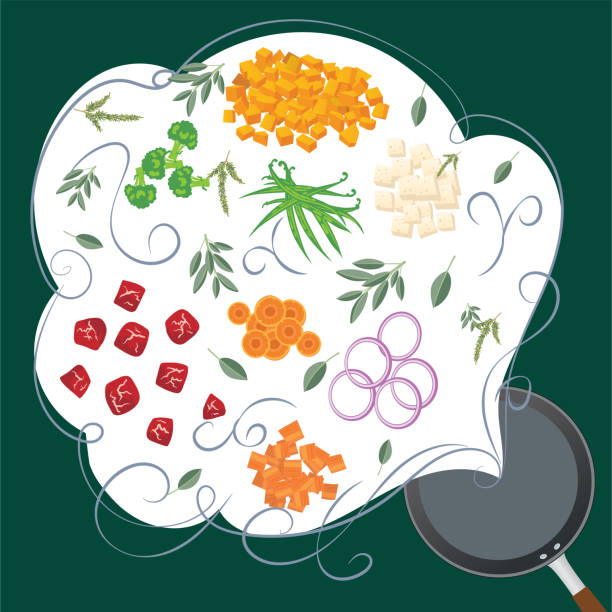
The foundation of an easier cleanup is laid before a single ingredient is chopped. This begins with the simple yet transformative practice of mise en place—the French culinary term for having all ingredients prepared and organized before cooking. Measuring oils, spices, and liquids into small bowls or ramekins, chopping vegetables, and preparing proteins in advance creates an orderly workspace. This organization prevents the frantic search for ingredients mid-recipe, which often leads to spills and cross-contamination. More importantly, it consolidates prep dishes—like cutting boards and measuring cups—into one initial cleanup phase. Washing these few items while the food simmers or roasts breaks the cleaning into smaller, more palatable segments, leaving far less for the end.
Furthermore, the act of cooking itself can be conducted with cleanliness in mind. Utilizing tools like splatter screens for frying, lining baking sheets with parchment paper or reusable silicone mats, and using lids to contain simmering sauces dramatically reduces the grime that adheres to stovetops and oven walls. Similarly, adopting a “clean-as-you-go” mentality is perhaps the most powerful tool in the cleaner’s arsenal. Instead of allowing used utensils and bowls to accumulate, take advantage of inactive cooking time. While onions sauté, quickly rinse the cutting board and knife. As pasta boils, wash the now-empty prep bowls. This continuous, low-effort maintenance prevents the overwhelming pile of dirty dishes that can demoralize even the most enthusiastic cook, ensuring that the final cleanup involves little more than the serving dishes and the main cooking vessels.
Equipping the kitchen with the right tools also streamlines the process. Quality non-stick pans, while requiring careful maintenance, make washing a breeze for delicate foods like eggs and fish. A well-organized sink station with a sturdy scrub brush, a effective dish soap, and a rinsing basin keeps everything within arm’s reach. For tougher messes, like baked-on cheese or starchy residues, allowing pots to soak in warm, soapy water while the meal is enjoyed loosens debris effortlessly. Beyond tools, thoughtful storage solutions matter; having a designated place for sponges, towels, and cleaners eliminates clutter and makes the cleaning routine more efficient.
Finally, the post-meal cleanup should be a team effort, not a solitary burden. In a household, establishing a clear and fair system, such as one person cooking and the other cleaning, or rotating duties nightly, distributes the labor and fosters shared responsibility. Even when cooking alone, the final push is less taxing if only a few items remain. Loading the dishwasher strategically, wiping down counters and appliances with a multi-surface cleaner, and taking out the trash or compost promptly are the final acts that reset the kitchen to a state of calm readiness.
Ultimately, an easier cleanup is achieved through a shift in perspective, viewing maintenance as an integral part of the cooking ritual rather than its punitive conclusion. By preparing thoughtfully, cleaning incrementally, using the right barriers and tools, and sharing the load, we can minimize the time spent scrubbing and maximize the time spent savoring. A clean kitchen at the end of a meal is not just a physical space; it is a mental closure, allowing the cook to fully relax and enjoy the fruits of their labor, already prepared for the next culinary adventure.