Cooking Together: The Shared Meal as Relationship Glue
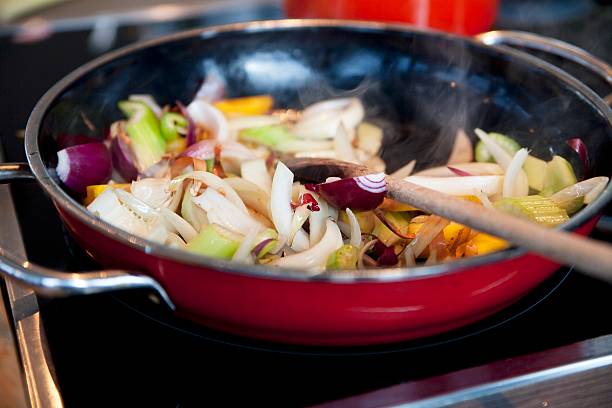
Joining a structured cooking class offers a guided adventure. You walk into a neutral space with a clear, shared objective set by someone else: follow these steps to create this dish. This removes the pressure of planning and decision-making, allowing you to focus purely on the cooperative task. You become a temporary team with defined roles—one chops while the other sautés, one measures while the other whisks. In this environment, you learn more than knife skills; you learn your partner’s pace, their patience level, and how they handle minor setbacks when a sauce breaks or an onion burns. It’s a low-stakes laboratory for your teamwork dynamics. The instructor provides the framework, but the interaction, the quiet moments of brushing hands at the ingredient bowl, the shared laugh over a clumsy flip of an omelette—that’s all yours. You leave with more than a container of food; you leave with a shared memory of a challenge met together, a story that begins with, “Remember that time in class when…”.
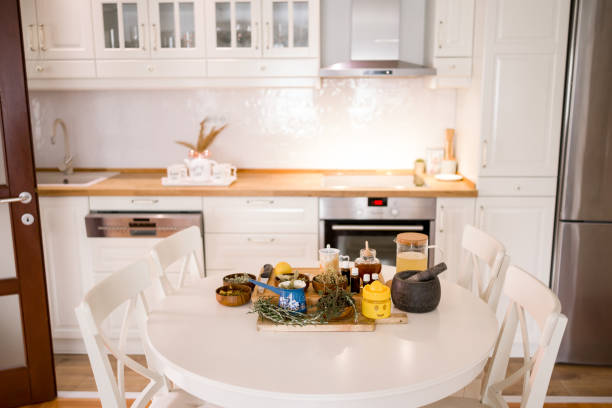
On the other hand, cooking with friends at home trades structure for authenticity. This is your kitchen, your rules. The vibe is less about precision and more about the communal hum of collaboration. Here, the recipe is often a loose suggestion, and the real focus is the unstructured time spent side-by-side. The process becomes a conversation catalyst. While waiting for water to boil or a roast to rest, real talk happens. Plans are dreamed up, daily stresses are vented, and laughter flows as easily as the wine. This setting strips away the performative aspect of a date night. You’re in your comfort zone, possibly in comfortable clothes, dealing with your own slightly blunt knives. It’s real life, but elevated. You’re not just passively sharing a meal; you are actively co-authoring the entire experience, from the first chop to the final dish washed and dried. This shared ownership creates a profound sense of being in each other’s world, building a domestic intimacy that quiet evenings out simply cannot match.
Ultimately, the choice between a class and a home-cooked night with friends is secondary. The core truth is that cooking together is a direct conduit to emotional intimacy. It demands communication, coordination, and compromise. It engages all the senses—the sizzle of garlic, the vibrant color of herbs, the texture of dough—creating a rich, multi-layered memory. In a world of digital distractions, it demands your mutual, present attention to a tangible goal. You are literally nourishing each other, both in the effort and the result.
So, skip the passive consumption of entertainment. Pick a recipe, any recipe. Grab your partner, and whether you do it in a classroom full of strangers or at your own counter with close friends, start building. The meal you create will be temporary, but the reinforced bond, the practiced teamwork, and the joy of shared creation will linger long after the last plate is cleared. That is the undeniable, no-nonsense power of cooking together.