Turning Tidying Into a Tranquil Ritual: How to Make Cleanup Less of a Chore
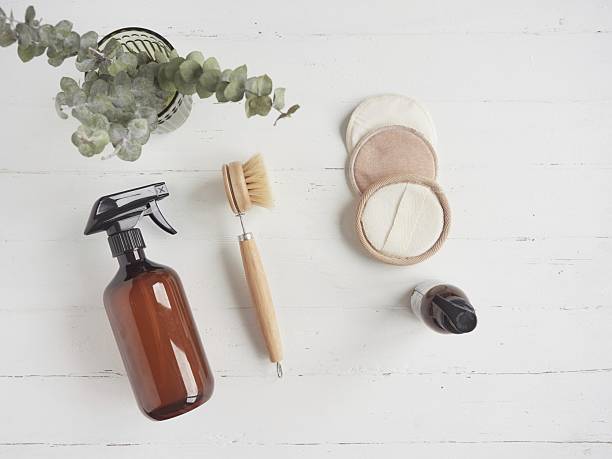
The first, and perhaps most profound, shift must occur in our perspective. Instead of viewing cleaning as a punitive reaction to chaos, we can reframe it as a proactive practice of care for our environment and ourselves. A tidy space reduces stress, improves focus, and fosters a sense of calm and control. When we begin to see the act of wiping a counter or putting away a book as a small gift to our future self—a contribution to our own well-being—the energy behind the action changes. This mindset aligns with the Japanese concept of “soji,“ or ritual cleaning, which is seen as a form of respect and meditation rather than a mere household task. By focusing on the serene result and the present-moment action of wiping or organizing, we detach from the narrative of resentment.
Beyond mindset, practical systems are essential to prevent mess from accumulating into an overwhelming state. The principle of “don’t put it down, put it away” is deceptively simple yet revolutionary. By taking the extra three seconds to return an item to its designated home immediately, we circumvent the need for a major cleanup later. This is closely tied to the concept of “a place for everything and everything in its place.“ If an item lacks a logical, easily accessible home, it becomes clutter. Investing time in thoughtful organization—using drawer dividers, shelf organizers, and simple storage solutions—creates a framework that makes tidying intuitive rather than a complex puzzle.
Furthermore, integrating small cleaning actions into our existing routines prevents the need for marathon cleaning sessions. This is the “clean as you go” philosophy embodied by professional chefs. While cooking, one washes utensils or wipes spills immediately. While getting ready in the morning, we might quickly hang a towel or put away a hairbrush. These micro-actions, performed in the flow of another activity, are barely noticeable but collectively powerful. Pairing a cleanup task with a habitual activity is another effective technique, often called “habit stacking.“ For instance, while waiting for the coffee to brew, unload the dishwasher. During television commercial breaks, fold a basket of laundry. These small, consistent efforts keep the environment in a state of equilibrium.
Technology and tools also play a supportive role in reducing the chore’s burden. A good-quality, lightweight cordless vacuum invites a quick pass over the floor, while effective multi-surface cleaners streamline the process. Even music or an engaging podcast can transform the experience, turning cleanup time into an opportunity to enjoy a favorite album or learn something new. The rhythmic nature of cleaning pairs wonderfully with audio entertainment, making the time feel less like a sacrifice and more like a dual-purpose activity.
Ultimately, making cleanup less of a chore is an exercise in both psychology and logistics. It requires us to abandon the all-or-nothing approach and instead embrace incremental care. By cultivating a mindset of respect for our spaces, implementing proactive systems to contain disorder, and weaving small acts of tidying into the fabric of our days, we dissolve the monolithic chore. The result is not a spotless showroom, but a sustainably pleasant living environment maintained with minimal stress and a greater sense of personal agency. The path to a cleaner home, therefore, is not found in working harder, but in thinking smarter and acting consistently, allowing us to reclaim our time and peace of mind.