The Heart of the Meal: Why Shared Cooking Needs More Than Just Gadgets
Fundamentally, cooking is a sequence of tasks that can be parallel or sequential. To cook together efficiently, what is most needed is not duplicate or novelty tools, but a clear, unspoken or spoken, division of labor. This can be achieved with the most basic kitchen setup. One person can chop vegetables with a standard chef’s knife while another sautés in a single pan. One can knead dough on a floured counter while another prepares a filling in a common bowl. The tools required are simply the foundational elements of any kitchen: a good knife, a sturdy cutting board, a few pots and pans, and basic utensils. The specialization needed is in role allocation, not equipment.
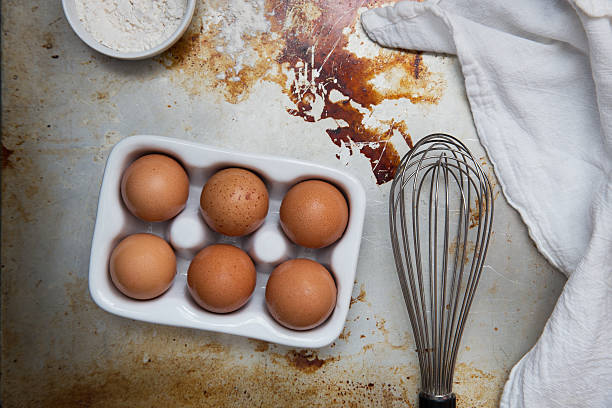
This is not to say that certain practical tools cannot facilitate a smoother collaborative process. A kitchen with ample prep space, such as a large island or multiple cutting boards, naturally invites participation by removing the physical barrier of crowding. Having a few key duplicates, like two sets of measuring spoons or two whisks, can prevent the minor friction of waiting for a tool. A well-organized kitchen where ingredients and implements are easy to find keeps the focus on cooking, not searching. However, these are principles of good kitchen design and organization, not necessarily “special” tools sold explicitly for togetherness. They are about creating an accessible and functional environment.
Where the concept of special tools truly holds value is in their symbolic power. A beautiful, heavy mortar and pestle passed back and forth as you grind spices, or a traditional pasta roller that requires one person to crank and another to feed the dough, creates a moment of forced collaboration. These tools choreograph a dance. They can transform a chore into a ritual, making the act of working together tangible and focused. In this sense, their specialty is not in function—a food processor could grind spices faster—but in the deliberate, slow, and shared experience they necessitate. They are tools for connection first, and cuisine second.
Ultimately, the most critical “tools” for cooking together are immaterial. They are a generosity of spirit that allows for different chopping techniques, a willingness to clean as you go so your partner isn’t navigating a mess, and the communication to navigate the timeless question of how much garlic is truly enough. A successful shared cooking experience hinges on mutual respect and a shared goal that is about more than the food on the plate; it is about the time spent in its making. A kitchen equipped with patience and humor but only one saucepan will foster more genuine togetherness than a kitchen filled with gimmicky twin tools but short on tolerance.
In conclusion, while a well-appointed and organized kitchen removes practical barriers, and while the occasional ritualistic tool can beautifully frame collaboration, we do not need special gadgets to cook together. The core requirement is a shift in perspective—from seeing the kitchen as a stage for solo performance to viewing it as a workshop for joint creation. The foundational tools are already there: your hands, your common senses, and the willingness to share not just the meal, but the process. The best recipe for cooking together has no equipment list, but its instructions are clear: communicate, cooperate, and savor the company as much as the cuisine.