What If We Have Different Topping Preferences?
First, take a deep breath and smile. This is not a problem. In fact, it’s a perfect opportunity. Cooking together is about more than just making food; it’s about blending your lives, your tastes, and your stories. Having different topping preferences is normal and actually a great thing. It means you get to be creative and learn more about each other.
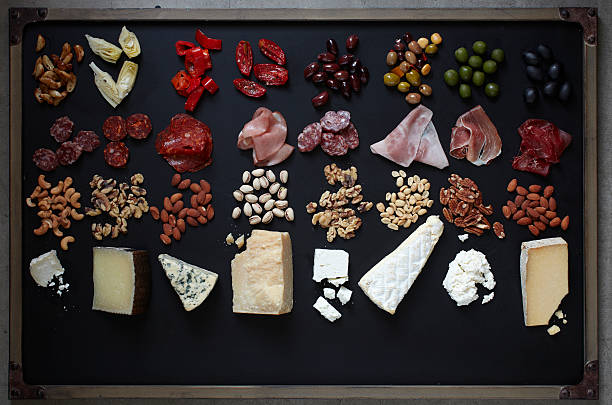
The easiest solution is to make it a “split decision.” Get two smaller pizza crusts instead of one big one. Use a divider on your baking sheet for roasted veggies. Set up your taco station as a “choose your own adventure” bar with little bowls of everything. This way, you both get exactly what you want without any compromise on your favorite flavors. It’s a simple act of respect that says, “Your happiness is as important as mine.” And honestly, it’s fun to lean over and say, “Can I try a bite of yours?” Taste-sharing becomes a new part of the meal.
But what if you can’t split the meal? That’s where the real teamwork begins. This is your chance to invent something new together. Talk it out. Maybe you love bell peppers and your partner loves sausage. Instead of arguing over which one is better, brainstorm how they could work together. Maybe those peppers get roasted with the sausage on top, creating a flavor you both end up loving. The “middle ground” you create might become your special signature dish, a recipe with a story that starts with, “Remember when we couldn’t agree on toppings?”
Sometimes, the best part is taking turns with grace. Maybe this week, you make the pizza with their favorite topping, even if it’s not your top choice. Next week, it’s your turn to pick the star ingredient. This isn’t about keeping score. It’s about generosity. It feels good to make your partner’s eyes light up by making their favorite thing, and it feels wonderful to feel cared for in return. It turns dinner into a gift you give each other.
Let’s be real, though. The biggest secret isn’t really about the toppings at all. It’s about how you talk about them. Use “I love” statements instead of “you always” or “that’s gross” statements. Say “I really love the crunch of onions on mine” instead of “Why would you ruin it with that?” Listening to why your partner loves something—maybe it reminds them of their grandma’s cooking or a great trip they took—opens a window into their world. You’re not just talking about mushrooms; you’re sharing a memory.
In the end, your kitchen is a practice space for your whole relationship. You will face many moments where you see things differently, from topping preferences to much bigger life choices. Learning to navigate the small stuff, like anchovies on a pizza, teaches you the skills for the big stuff: patience, creativity, communication, and a spirit of fun.
So, the next time you face different topping preferences, don’t see it as a fight waiting to happen. See it as your next cooking adventure. Grab two spoons, laugh about your differences, and start creating. The meal you make will be more delicious because it was made with cooperation and a dash of love. And that’s a recipe that always turns out perfectly.