The Secret to Stress-Free Cooking Together
Success hinges on the pre-game conversation. Instead of ambitiously declaring, “Let’s make a from-scratch Thai feast tonight!” begin with a collaborative and low-stakes question: “What sounds fun to make together this week?” This frames the activity as a joint project of enjoyment, not a high-pressure performance. During this planning, honestly assess your collective time, energy, and skill level. Choosing a simple, forgiving recipe—a hearty soup, a large salad with a homemade dressing, or a one-pan roast—removes the stress of precision and timing that often triggers arguments. The goal for your first culinary collaborations is not culinary school perfection; it is a pleasant evening that ends with a meal.
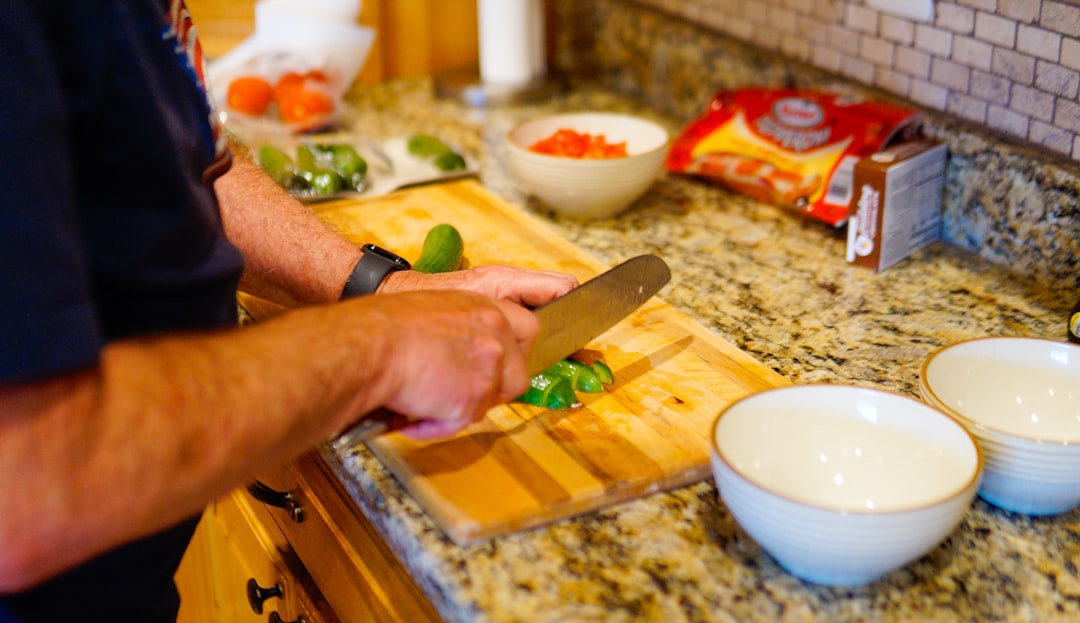
Once a recipe is chosen, the crucial and often overlooked step is to define roles before entering the kitchen. Ambiguity is the enemy of harmony. A casual, “Okay, you chop the vegetables while I handle the stove,” can lead to confusion over which vegetables, how finely, and what happens when one person finishes their task. Instead, sit down with the recipe and divide the tasks explicitly. You might say, “I’ll tackle the mise en place—washing and chopping all the produce—if you handle the protein and be in charge of the sauté pan.” This creates clear domains of responsibility, minimizing the chance of someone feeling micromanaged or useless. It also naturally accommodates different skill levels and preferences; the more confident cook can manage the flame, while the novice can focus on a defined prep task.
Within the kitchen, cultivating an atmosphere of patience and grace is essential. This means letting go of the notion that there is only one “right” way to dice an onion or mince garlic. Unless a technique is critical to the dish’s safety or success, allow your partner autonomy in their assigned domain. Constant correction, even if well-intentioned, feels like criticism and sucks the joy from the process. Embrace the messiness, both literal and figurative. A spilled cup of flour or a clumsily cut carrot is not a catastrophe; it is part of the shared story you are creating. Laughter is a far better response than exasperation.
Finally, anchor the entire endeavor in the true purpose: connection. Put on music you both enjoy, pour a drink, and consciously decide that the quality of your interaction is more important than the quality of the béchamel sauce. Talk about something other than the food. When the meal is ready, no matter its flaws, make a point to celebrate the collaboration. A sincere, “I loved making this with you,” or “Your vinaigrette is perfect,” reinforces the positive experience. The shared accomplishment of creating and then consuming a meal together builds a foundation of teamwork.
Starting to cook together without conflict requires shifting the victory condition from a flawless meal to a harmonious experience. It is built on collaborative planning, clear role-setting, mutual respect for individual methods, and a generous spirit that prioritizes connection over culinary perfection. By taking the pressure off the plate and putting it on the partnership, you transform the kitchen from a potential battleground into a workshop for teamwork, laughter, and, ultimately, a deeper bond forged over the simple, profound act of making dinner.