The Unseen Bond: How Setting the Table Together Strengthens Relationships
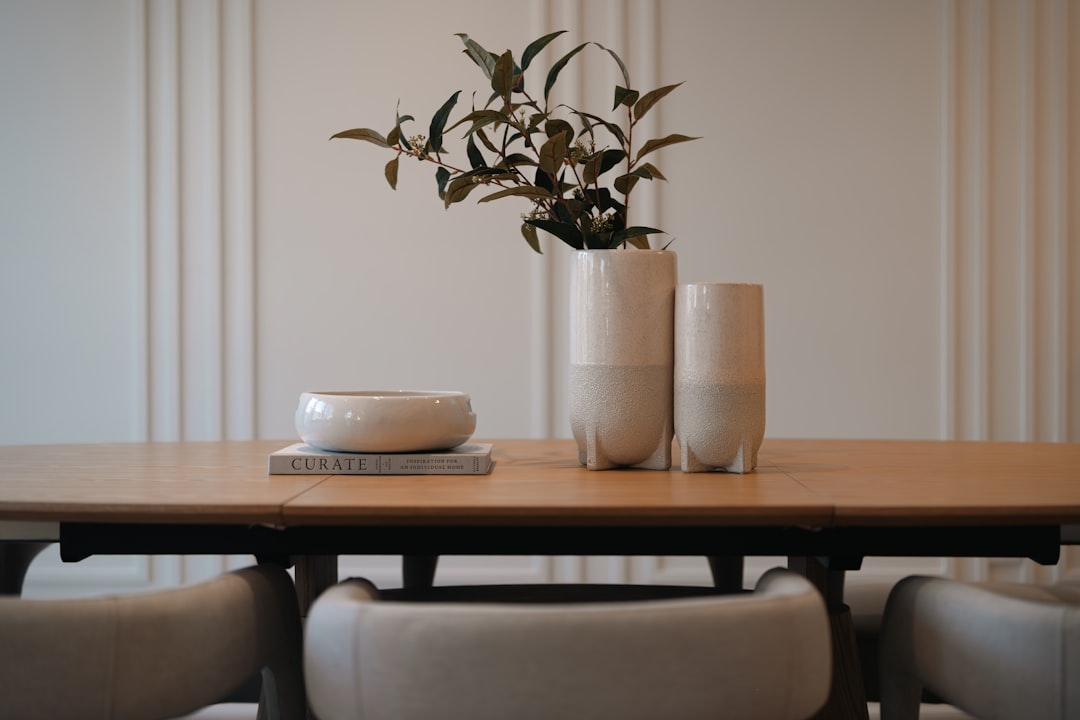
The strength begins with the initiation of a shared, tangible goal. In a world of abstract stresses and digital distractions, aligning on a concrete, achievable task—creating a pleasant space for a shared meal—is a grounding exercise. When two people move toward this common objective, they operate as a unit. One retrieves the glasses while the other folds the napkins; one places the forks while the other lights a candle. This micro-collaboration is a miniature lesson in teamwork, requiring a low-stakes, yet meaningful, coordination. Success is immediate and visible: a welcoming table. This repeated experience of accomplishing something together, however small, builds a reservoir of cooperative goodwill and reinforces the fundamental idea that “we are in this together,” a mentality that can then extend to larger, more complex challenges in the relationship.
Beyond spoken words, setting the table is a dance of non-verbal communication and attentiveness. It requires an awareness of the other’s movements and a consideration for their preferences. Perhaps you remember, without asking, that your partner dislikes the heavy ceramic mug and you instinctively place the lighter one at their seat. You might notice they’ve had a taxing day and you silently add their favorite placemat. These are small acts of seeing and caring, communicated through action rather than declaration. The rhythm developed in this shared physical space—navigating around one another, handing off items, adjusting placements—fosters a harmonious, unspoken synchronicity. This physical collaboration builds a unique intimacy, a language of care spoken through gestures, which often conveys love more deeply than words alone can manage.
Furthermore, this joint preparation actively builds anticipation and transitions from the individual to the collective. The day’s separate concerns and distractions begin to melt away as focus shifts to the shared ritual. The clink of dishes and the smooth unfurling of a tablecloth become sensory signals that it is time to connect. By investing effort together in creating the setting, both parties become invested in the experience that will happen within it. The table ceases to be just furniture and becomes a mutual project, a stage you have both dressed for the performance of relationship-building. This transition is crucial; it marks a conscious departure from solitude and toward partnership, making the subsequent conversation over the meal more likely to be engaged and present.
Ultimately, the table you set together becomes a metaphor for the relationship itself. It is a dedicated space built by mutual effort, intentionally prepared to nurture and sustain those who gather around it. The care put into its arrangement reflects the care held for one another. This consistent, humble practice accumulates strength over time. It is not a grand gesture, but a reliable one—a daily or weekly touchpoint of unhurried cooperation that quietly reinforces the foundation of the bond. In the end, the stronger relationship is not forged only in the conversations across the table, but in the quiet, side-by-side moments of preparing it, where teamwork, attentiveness, and shared purpose are silently laid, like the very plates and utensils that promise nourishment to come.