What If Our Cooking Skills Are Totally Different?
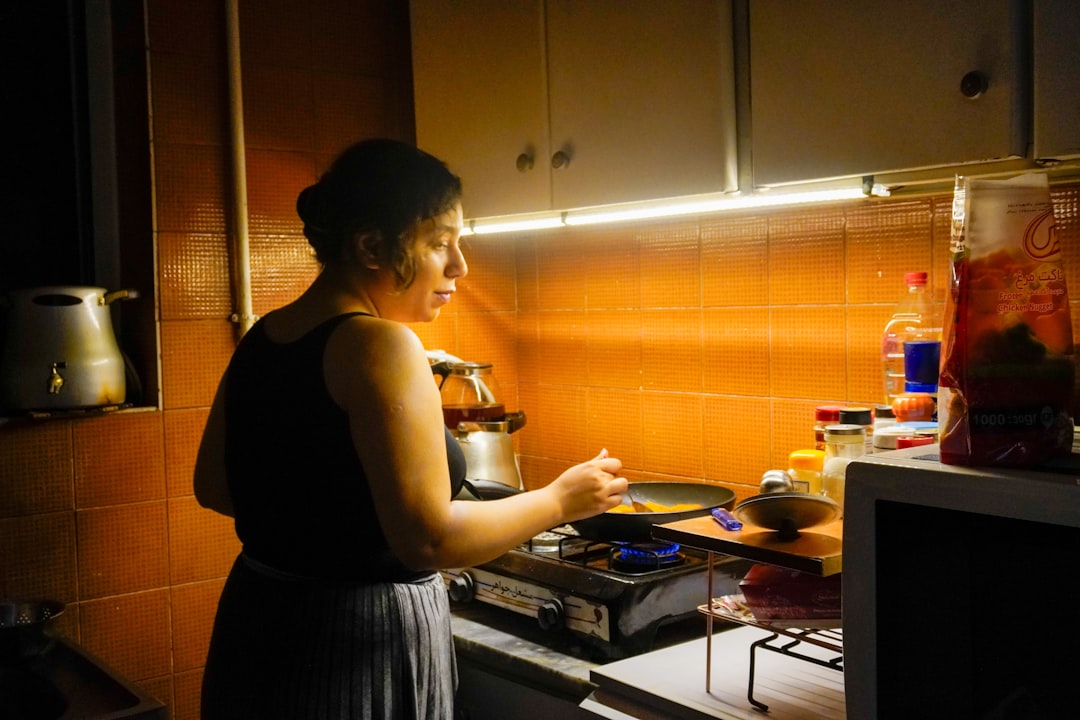
Initially, such a divergence can be a source of friction. The meticulous planner, who has pre-measured every spice and timed each step, may watch in horror as their counterpart adds a “surprise” ingredient or decides to triple the garlic on a whim. Conversely, the intuitive cook may feel stifled and judged, their creative spark doused by rigid instructions and nervous glances. The kitchen, often a heart of the home, can become a battleground of conflicting methodologies. One sees cooking as a science, a reproducible chemical experiment for perfect results. The other views it as an art, a sensory dance guided by smell, taste, and mood. Without acknowledgment, these differences can lead to frustration, with both parties believing their way is the “right” way to achieve a shared goal: a delicious meal.
Yet, within this tension lies a remarkable opportunity for growth and synergy. When we move past the instinct to correct or control, we open the door to a powerful form of collaboration. The precise technician can learn from the free spirit about flexibility and trusting one’s palate, discovering that a dish can survive—and even thrive—with a little adaptation. The intuitive cook can benefit from the structured approach, gaining techniques that improve consistency and understanding the foundational principles that make their improvisations more successful. The kitchen transforms from a solo stage into a duet, where the harmony comes from blending distinct notes, not singing in unison. The meal becomes a literal fusion cuisine, born not from a region, but from the fusion of two unique perspectives.
This culinary negotiation extends far beyond the stove. It becomes a microcosm for navigating all forms of partnership. Learning to cook with someone of a different skill set requires patience, clear communication, and the division of labor based on strengths. Perhaps the detail-oriented person handles the finicky sauce or the baking, where precision is key, while the bold experimenter takes charge of seasoning the stew or creating the salad dressing. It demands letting go of the need for total control and embracing the vulnerability of shared creation. The act of preparing food together, despite—or because of—the differences, becomes a ritual of mutual respect. It says, “I value your approach, even if it is not my own, and I trust you with this shared endeavor.“
Ultimately, if our cooking skills are totally different, we are presented with a choice. We can see it as an obstacle, or we can recognize it as a gift. The goal shifts from producing a flawless, restaurant-standard dish to co-creating an experience that is uniquely ours. The slightly lopsided cake, the soup with the unexpectedly brilliant spice, the meal that took longer because we had to stop and explain or laugh—these become the stories that flavor our memories. They remind us that connection is not about perfect alignment, but about the willingness to blend our individual ingredients into something new. The most nourishing outcome may not be the food on the plate, but the deepened understanding forged in the process of making it, a testament to the idea that the best recipes are those we write together, not just in cookbooks, but in our relationships.