Creating a Harmonious Stir Fry for Diverse Dietary Needs
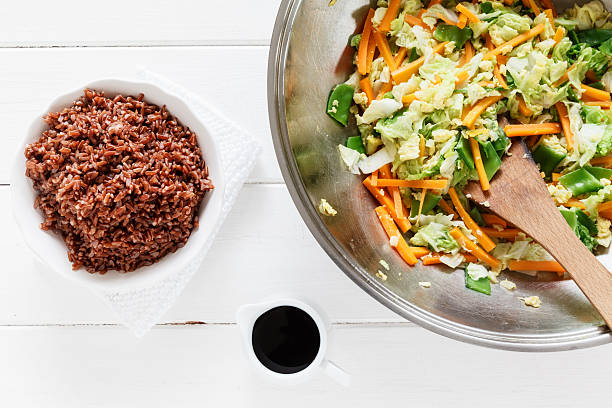
The fundamental genius of stir-fry lies in its modular construction. Unlike a blended stew or a baked casserole, a stir-fry is typically assembled from distinct components: a protein, a medley of vegetables, a sauce, and a base. This inherent structure is the key to customization. By preparing these elements separately and combining them at the end—or even allowing individuals to assemble their own bowls—a single cooking session can yield multiple tailored meals. For instance, tofu can be sautéed in one corner of the wok for a vegan diner, while shrimp is quickly seared in another for a pescatarian. Similarly, a gluten-free tamari-based sauce can be set aside before adding a splash of regular soy sauce to the remainder. This “deconstructed” approach respects individual needs without demanding multiple entirely separate meals.
Successfully executing this requires a foundation of thoughtful planning and communication. Before heating the wok, it is essential to understand the specific requirements of everyone at the table. Is the need driven by an allergy, which demands stringent avoidance of cross-contact, or a lifestyle choice, which allows for more flexibility? For severe allergies, separate cookware, utensils, and even cooking orders are non-negotiable—the tofu must be cooked before the peanuts, and sauces must be handled with dedicated spoons. This level of care ensures safety and shows deep respect for the diner. For other needs, a well-stocked pantry of alternative ingredients becomes the cook’s best ally. Coconut aminos can stand in for soy, cornstarch makes a perfect gluten-free thickener, and a splash of vegetable broth can replace oyster sauce, ensuring no one misses out on the essential savory “umami” depth.
Ultimately, navigating diverse diets through a dish like stir-fry does more than just solve a dinner problem; it fosters connection and celebrates individuality. The shared activity of assembling bowls, passing colorful dishes of bell peppers, snap peas, and water chestnuts, and discussing flavor combinations turns a meal into an interactive experience. It encourages curiosity and education, as diners might try a new ingredient they would have otherwise overlooked. The meal becomes a testament to consideration, demonstrating that care can be woven into the very fabric of our food. In a world that often emphasizes division, the communal stir-fry bowl becomes a powerful symbol of harmony—a single culinary canvas that can proudly display a spectrum of personal choices, all united by the shared joys of good food and good company. Therefore, we can absolutely make a stir fry for different dietary needs, and in doing so, we often create something more meaningful than just dinner.