What Exactly Is a Virtual Cook-Off?
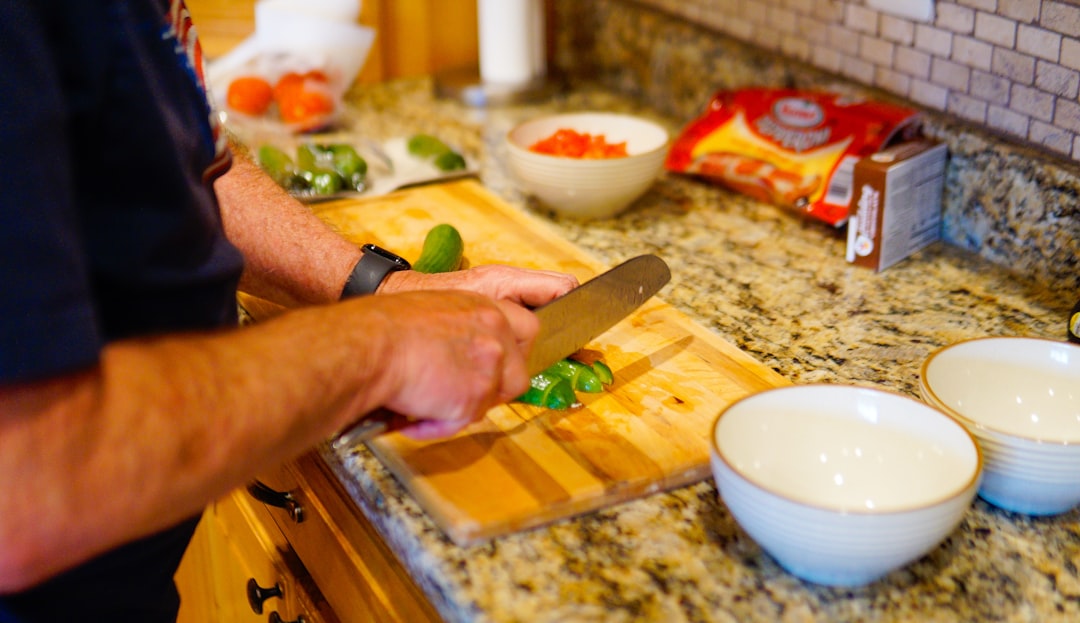
At its core, a virtual cook-off retains the essential spirit of its in-person counterpart. Participants, who may be friends, family, colleagues, or even strangers brought together by a shared interest, agree on a common theme or specific ingredient. This could range from broad categories like “comfort food” or “street food” to more precise challenges such as “the best chocolate chip cookie” or “a dish featuring eggplant.“ A set time limit is established, creating that familiar pressure-cooker environment of frantic chopping and sizzling pans, albeit from the safety and familiarity of one’s own kitchen. The crucial divergence, of course, is the medium. Instead of gathering in a communal hall, competitors log into a shared digital space like Zoom, Google Meet, or Microsoft Teams. Their webcams become windows into their culinary process, broadcasting their progress, their triumphs, and their occasional mishaps in real time to fellow competitors and often an audience of spectators.
The structure of the event is facilitated by a host or moderator who keeps time, manages the flow of the video call, and orchestrates the judging phase. This judging component is a defining feature and can take several forms. In some cook-offs, a panel of pre-selected judges samples the dishes after they are completed; participants may have delivered portions in advance or the judges may rely on detailed descriptions and visual presentation. More commonly, especially in casual settings, judging is democratized through peer review. After the cooking timer ends, each participant presents their finished dish to the camera, explaining their inspiration and techniques. Then, all attendees vote via poll, chat, or simply by applause on criteria such as creativity, presentation, and perceived taste. The winner often receives virtual bragging rights, a digital badge, or sometimes a physical prize mailed to their door.
The appeal of the virtual cook-off extends far beyond the simple act of cooking. It is a powerful tool for building and maintaining community. For corporate teams, it serves as an engaging team-building exercise that fosters camaraderie and reveals hidden talents in a relaxed, non-work context. For families and friends separated by geography, it creates a shared, interactive experience, transforming a routine video call into a collaborative and memorable event. It also dramatically lowers the barrier to entry for aspiring cooks who might be intimidated by a formal, in-person competition, allowing them to participate from a space where they feel most confident and equipped.
Ultimately, a virtual cook-off is a testament to human adaptability and the enduring desire to share the creative, nourishing act of cooking. It merges the ancient, visceral pleasure of preparing food with the modern capability to instantly connect across vast distances. It is not a replacement for the bustling energy of a live event, but rather an innovative expansion of the culinary competition format—one that prioritizes accessibility, inclusivity, and connection. In a world where screens often mediate our interactions, the virtual cook-off cleverly uses that very technology to bring people together over the universally understood language of a home-cooked meal, proving that even through a webcam, the heat of friendly competition can still be felt.