The Essential Edge: How Two Knives and Cutting Boards Transform Kitchen Mastery

The most critical reason for this duality is the paramount concern of food safety. Cross-contamination, the transfer of harmful bacteria from one food to another, is a leading cause of foodborne illness. Raw meats, poultry, seafood, and eggs can harbor pathogens like Salmonella and E. coli. When a knife and board used to portion a raw chicken are then immediately employed to dice tomatoes for a salad without proper sanitization, these bacteria can hitch a ride, posing a significant health risk. By dedicating one color-coded or distinctly different board and knife exclusively for raw animal proteins, this dangerous transfer is virtually eliminated. The produce set remains a safe zone for ready-to-eat foods, ensuring that the crunch of a fresh vegetable carries no hidden threat. This separation creates a crucial barrier, turning the kitchen into a safer environment with minimal extra effort.
Beyond safety, this system profoundly enhances the quality and purity of flavors. Knives and cutting boards, especially wooden or plastic ones, are porous. They can absorb and retain the potent oils and juices of the foods they contact. A board that has seen countless onions and garlic will impart a faint, alliaceous ghost to anything subsequently placed upon it, potentially ruining the delicate sweetness of fresh fruit or the neutral canvas of a cake’s ingredients. A knife that has sliced through a pungent fish will carry its essence. By segregating tools, these flavor compounds are contained. The bright, clean taste of herbs, the untainted sweetness of melon, and the true flavor of a ripe tomato remain uncompromised. The integrity of each ingredient is respected, allowing the cook’s intended seasoning to shine rather than battling residual flavors from a previous task.
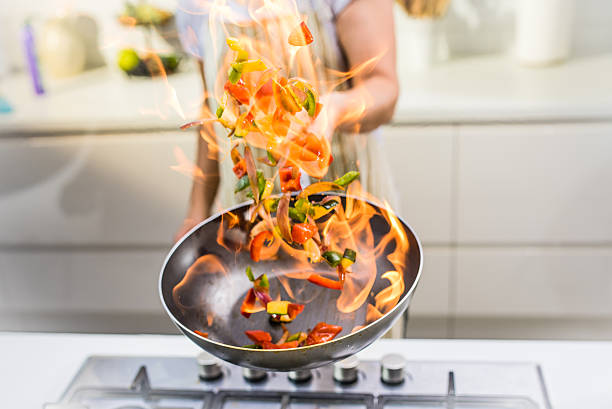
Furthermore, maintaining two sets streamlines workflow and preserves the tools themselves. Consider the process of preparing a stir-fry: with a dedicated produce board, you can swiftly chop bell peppers, julienne carrots, and mince ginger in a continuous, fluid motion. There is no need to pause for a rigorous wash before moving from vegetables to meat; you simply switch stations. This not only saves time but also respects the lifespan of your equipment. Using a hard, durable board like maple for general chopping and a softer, non-porous plastic board for proteins can be ideal. The hard board won’t be scarred by bones, while the plastic board can withstand the harsh sanitization hot water and bleach require after raw chicken prep. Similarly, keeping a heavier, sturdy knife for breaking down proteins and a lighter, sharper chef’s knife for precision vegetable work allows each tool to excel at its purpose, maintaining its edge longer and performing more effectively.
Ultimately, the practice of using two good knives and cutting boards is a testament to intentionality in the kitchen. It is a small investment in organization that yields immense returns in health, taste, and enjoyment. It transforms cooking from a reactive series of tasks into a mindful, efficient ritual. The good knife glides through its dedicated tasks, its edge lasting longer; the right board provides a secure, uncontaminated stage. Together, this separated duo forms the silent, essential partnership that guards against illness, protects the symphony of flavors, and empowers the cook to create with confidence and grace. In this simple act of separation lies the very essence of culinary craftsmanship and care.