What If Our Kitchen Is Tiny? Embracing the Charm and Challenge of Compact Cooking
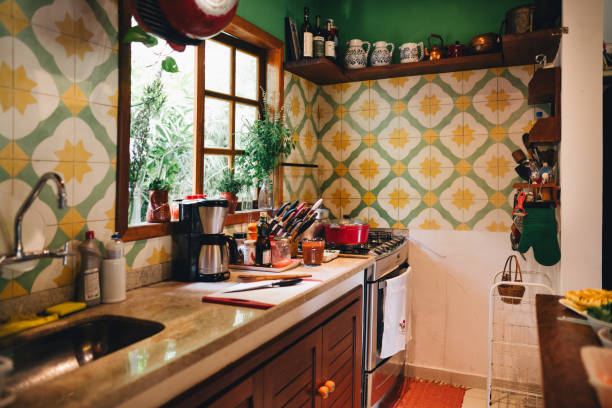
The immediate reality of a small kitchen necessitates a ruthless commitment to intentionality. There is no room for unitaskers—the avocado slicers, strawberry hullers, or bulky bread machines that languish in larger cupboards. Every item must earn its keep through frequent use and versatile function. This paring down to essentials can be liberating, lifting the burden of clutter and constant organization. A well-chosen chef’s knife, a sturdy cutting board, a reliable skillet, and a single multipurpose pot can form the foundation for countless meals. This minimalist approach extends to ingredients as well, encouraging a pantry stocked with high-quality staples—spices, oils, grains, and legumes—that can be combined in myriad ways, reducing waste and impulsive purchases. Cooking becomes a more focused and streamlined process, where each tool and ingredient is deeply known and appreciated.
Spatial constraints also demand clever solutions that often lead to a more personalized and efficient space. Vertical storage becomes paramount, with wall-mounted racks for pots, knives, and utensils freeing up precious drawer and counter space. Magnetic strips, shelf risers, and hooks inside cabinet doors unlock hidden potential. The philosophy of “a place for everything and everything in its place” is not merely aspirational here; it is essential for functionality. This need for ingenuity can foster a unique kitchen character that a sprawling, standard-issue layout might lack. A tiny kitchen becomes a curated expression of necessity, where every shelf, nook, and drawer tells a story of problem-solving and personal taste. The result is often a space that feels deeply considered and authentically lived-in.
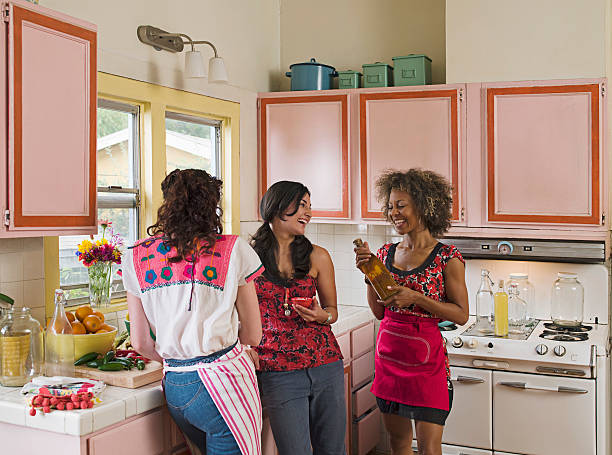
Beyond practicality, a compact kitchen subtly reshapes domestic rhythms. It encourages a “clean as you go” mentality, as a single bowl left in the sink can bring operations to a halt. This practice creates a meditative rhythm to cooking and fosters a sense of immediate accomplishment. Furthermore, its size often makes it a single-occupant workspace, which can transform cooking from a chaotic group activity into a personal, almost therapeutic ritual. However, this intimacy can also foster connection when it does become shared; standing shoulder-to-shoulder with a partner or friend to prepare a meal requires cooperation and communication, turning dinner preparation into a collaborative dance that deepens bonds.
Ultimately, the question of “what if our kitchen is tiny?“ leads to a broader reflection on sufficiency. In a world that often equates more space with more happiness, a small kitchen teaches the profound satisfaction of “enough.“ It challenges the allure of consumerism and questions the need for excess. The focus shifts from the grandeur of the space to the quality of the experience within it—the aroma of spices toasting, the sound of vegetables sizzling, the warmth of a home-cooked meal shared at a nearby table. The limitation, therefore, becomes a quiet teacher of resourcefulness, mindfulness, and contentment.
While no one would deny the practical comforts of a large, well-appointed kitchen, embracing a tiny one is not merely making do. It is an active choice to prioritize efficiency, creativity, and intentional living. It proves that the heart of a home is not measured in square footage but in the care and creativity infused into the space. A tiny kitchen, far from being a handicap, can become the most thoughtfully designed and lovingly used room in the house, reminding us that sometimes, having less space allows us to make more of what truly matters.