Mastering the Art of a Tidy Kitchen: Strategies for Lasting Order
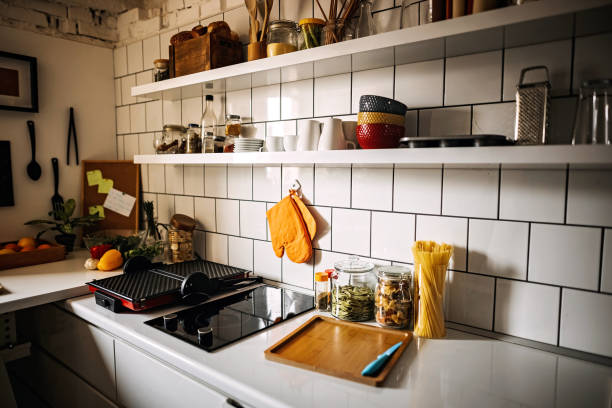
The foundation of a manageable kitchen is an intentional and organized space. This begins with a critical assessment of what truly belongs on the counters. Appliances used daily, like a coffee maker, may earn their place, but single-purpose gadgets gathering dust should be stored away. Clear counters are not merely aesthetically pleasing; they provide essential real estate for meal preparation and act as a psychological barrier against clutter accumulation. Similarly, organizing cabinets and drawers so that items are logically grouped and easily accessible streamlines the cooking process. When every pot, spatula, and spice has a designated home, the daunting task of putting things away becomes a simple, almost automatic act of returning them to their place.
The most transformative habit, however, is embracing the concept of “clean as you go.“ This is the golden rule that separates perpetually tidy cooks from those facing a mountainous, discouraging cleanup. It means washing the mixing bowl while the cake bakes, wiping down the cutting board after prepping vegetables, and immediately disposing of packaging. By dealing with messes when they are fresh and confined, you prevent them from compounding into an overwhelming crisis. This approach turns cleanup into a series of small, manageable tasks interspersed throughout your cooking, rather than a punitive marathon at the end. The profound reward is sitting down to a meal with nothing awaiting you but a few final plates, allowing genuine relaxation.
Technology and routine provide the supporting pillars for this system. Employing tools that simplify cleanup can dramatically reduce resistance. Keeping a compost bin and a recycling container within arm’s reach discourages scraps and containers from lingering on surfaces. A dish rack or dishwasher, if available, should be emptied first thing in the morning, creating a blank slate for the day’s inevitable accumulation. Furthermore, establishing a few non-negotiable daily rituals ensures the kitchen never slips beyond recovery. A final nightly reset—wiping down all counters, ensuring the sink is empty, and perhaps running the dishwasher—guarantees you are greeted by order each morning. This small investment of five minutes prevents the need for a weekend-long deep clean born from neglect.
Ultimately, keeping the kitchen from becoming a disaster zone is a practice in mindfulness and respect for the space that nourishes us. It acknowledges that cooking is a full-cycle process that is not complete until the kitchen is restored to a state of readiness. By designing an organized environment, cleaning incrementally, and leveraging supportive habits, we reclaim the kitchen as a place of joy and creativity rather than dread. The result is a serene and functional space that invites culinary exploration and gathering, ensuring the heart of the home remains a source of peace, not panic.