The One-Pan Dinner: A Realistic Solution or a Culinary Compromise?
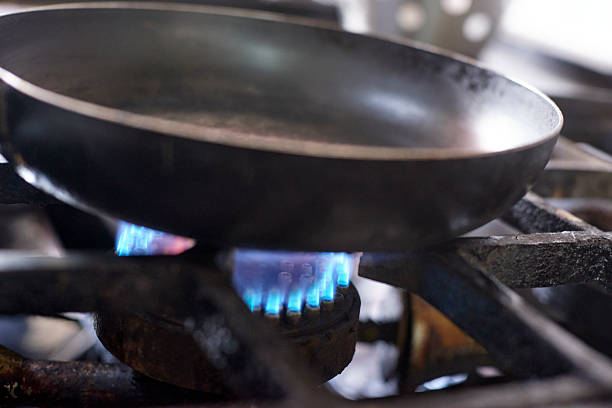
At its core, successful one-pan cooking is an exercise in orchestration. Unlike traditional methods where components are prepared in isolation, this approach requires the cook to think in terms of timing and complementary cooking methods. The goal is to layer ingredients into a single vessel—typically a large skillet, sheet pan, or Dutch oven—in such a way that each element finishes cooking at the same moment, having been properly roasted, steamed, or sautéed. This is not merely dumping random ingredients together; it is a deliberate sequence. For instance, denser vegetables like potatoes and carrots are cut small and added first, while delicate proteins like fish or tender greens are introduced in the final minutes. The pan itself becomes a stage where a culinary performance unfolds in acts, with each ingredient making its entrance at the precise moment.
The advantages of this method extend far beyond a simplified washing-up routine. Cooking everything in one pan allows flavors to intermingle in a profound way. Juices from roasting chicken drip onto surrounding root vegetables, infusing them with savory depth. Aromatics like garlic and onions caramelize and form the foundation of a sauce that coats every component. This creates a harmonious, unified dish where the whole is often greater than the sum of its parts. Furthermore, the technique is remarkably efficient, both in energy use and active cooking time. With only one pan heating the oven or stovetop, and with all preparation focused on a single timeline, the cook can often achieve a complex-tasting meal with surprisingly minimal hands-on effort.
However, the one-pan dinner is not without its compromises. The most significant challenge is achieving varied textures. Without separate cooking stations, it can be difficult to obtain a perfectly crispy protein skin alongside al dente vegetables without one element becoming soggy or overcooked. The solution lies in clever technique: propping chicken on a raft of vegetables so air can circulate, or briefly removing certain items to be added back later. Additionally, the scope of what can be cooked is naturally limited. You cannot simultaneously boil pasta and sear a steak in the same pan without it becoming a stew. Thus, one-pan meals often lean into categories like hearty roasts, stir-fries, skillet pasta bakes, and sheet-pan fajitas—dishes where the blending of components is a feature, not a bug.
Ultimately, the success of a one-pan dinner hinges on embracing its philosophy. It is a celebration of simplicity, efficiency, and melded flavors. While it may not replicate the precise, compartmentalized perfection of a multi-pot, restaurant-style plating, it offers something equally valuable: a delicious, nutritious, and remarkably achievable meal for a busy weeknight. It proves that with thoughtful ingredient selection and mindful staging, a single pan is not a constraint but a canvas. So, can we really cook a whole dinner on just one pan? Absolutely—and in doing so, we might just rediscover the joy of cooking that is as much about savoring the evening as it is about savoring the food.