The Simple Plate Method: Your Guide to Effortless Portion Control
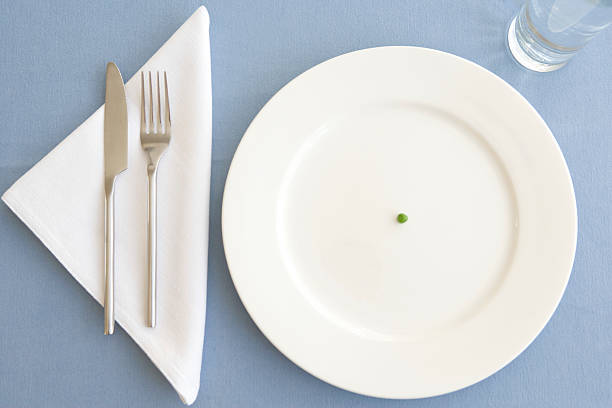
The principle is beautifully straightforward: mentally divide a standard dinner plate into distinct, visual sections. Imagine drawing two lines—one dividing the plate in half, and another dividing one of those halves in half again. This creates three zones on your plate, each dedicated to a specific food group. The largest section, one full half of the plate, should be filled with non-starchy vegetables. This includes a colorful array of options like leafy greens, broccoli, peppers, carrots, tomatoes, green beans, or cauliflower. These vegetables are low in calories but high in volume, fiber, and essential nutrients, providing bulk and satisfaction without excessive energy intake. This foundational half-plate rule ensures you get vital vitamins and minerals while naturally controlling the space available for more calorie-dense foods.
The remaining half of the plate is then split between two other crucial components. One of the quarter sections is reserved for lean protein. Visualize a portion roughly the size and thickness of your palm. This could be chicken, fish, tofu, tempeh, eggs, legumes like lentils or chickpeas, or a small serving of lean red meat. Protein is essential for building and repairing tissues, keeping you feeling full and energized long after the meal is finished. By dedicating a defined quarter of the plate, you ensure an adequate serving without overdoing it, which is a common pitfall in modern portions. The final quarter section is for carbohydrates or starchy foods. This is where you place whole grains like brown rice, quinoa, or farro, or starchy vegetables such as sweet potato, corn, or peas. This portion, about the size of your clenched fist, provides necessary energy and fiber, especially when you choose whole, unrefined options.
The elegance of this method lies in its flexibility and adaptability. It is not a rigid diet but a visual guide that works for almost any cuisine. Whether you are serving a stir-fry, a traditional meat-and-potatoes dinner, or a plant-based bowl, you can arrange the components to fit the model. A curry meal, for instance, might see half the plate as a spinach salad, a quarter as the chicken or chickpeas from the curry, and a quarter as the accompanying brown rice. It naturally encourages variety and color, making meals more appealing and nutritionally diverse. Furthermore, this approach inherently promotes mindful eating. By pre-portioning your plate correctly before you begin eating, you are less likely to go back for unplanned seconds, as the initial balance is designed to be satisfying.
Ultimately, the plate method transforms portion control from a task of measurement into one of mindful composition. It bypasses the need for scales and calculators, instead leveraging our innate ability to judge proportions by sight. By consistently using this simple template, you train your eye and your habits toward balanced eating. It is a gentle, sustainable practice that puts the focus on what to include abundantly—colorful vegetables—rather than just what to restrict. For anyone seeking an easy, effective way to manage portions without fuss, the answer has been on their dinner table all along. Just look at your plate, divide it with your mind’s eye, and fill it with a healthy balance that nourishes both body and appetite.