The Simmering Bond: Why Cooking Pasta Together Strengthens a Couple
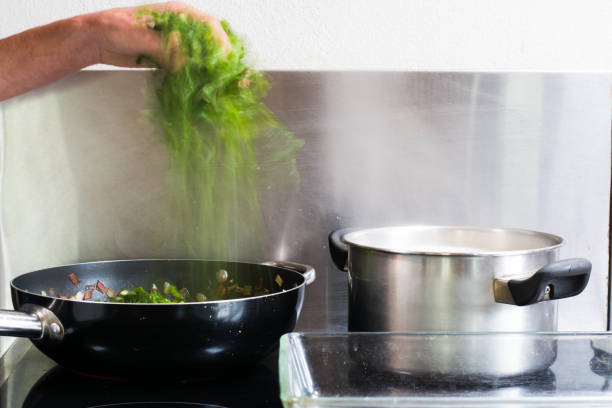
The process begins with a shared, tangible goal: to create a meal. This immediate, common purpose fosters a natural state of collaboration. One person salts the water while the other gathers garlic and olive oil; one tends to the sauté pan as the other monitors the timer. There is a silent, fluid dance that develops around the stove—a passing of the colander, a taste-test offered on a wooden spoon, a quick stir taken over when hands are full. This unspoken choreography builds a rhythm of mutual support and attentiveness. It is a low-stakes rehearsal for life’s larger duets, where success hinges not on individual brilliance but on the quiet assurance that you are both working toward the same nourishing outcome.
Furthermore, the kitchen becomes a space for effortless communication that extends beyond words. It is in the nonverbal lexicon of a couple: the knowing glance that says the sauce needs more basil, the playful bump of a hip to move someone gently aside, the shared smile at the satisfying plop of dried pasta into the pot. In a world saturated with digital noise and distracted conversations, cooking together demands a present, sensory engagement. You are talking, yes, but you are also listening to the sizzle, watching textures change, and moving in shared physical space. This sensory collaboration grounds the relationship in the immediate, tangible now, strengthening bonds in a way that abstract conversation sometimes cannot.
Cooking pasta also inherently carries an element of care and nurturing. You are quite literally preparing sustenance for each other. When one person toasts pine nuts for the other’s favorite pesto, or when the other remembers to save a cup of starchy water for perfect sauce emulsification, these are small, edible acts of love. The act of feeding and being fed is primal and intimate, a direct channel of care that bypasses intellectualization. The resulting meal is not just food; it is a shared creation, a testament to your combined effort. Sitting down to eat a dish you made together doubles the satisfaction, layering the taste of the ingredients with the deeper flavor of accomplishment and shared investment.
Ultimately, the simplicity of pasta is its greatest asset. It is forgiving, inexpensive, and universally beloved, which removes pressure and allows the focus to remain on the experience, not the extravagance of the result. There is room for laughter when a noodle sticks to the wall, for improvisation when you realize you’re out of Parmesan, for comfort in the familiar ritual itself. In this unpretentious environment, guards are lowered, and connection flourishes organically. It becomes less about culinary perfection and more about the pleasure of coexisting in a collaborative, creative space.
Therefore, cooking pasta together is a special ritual because it distills the essence of partnership into a single, savory event. It requires coordination, celebrates communication in all its forms, embodies nurturing care, and finds joy in simple, shared purpose. The steam that fogs the kitchen window seems to enclose the couple in their own warm world, where the simple act of turning flour and water into dinner quietly reinforces the very ingredients of their bond: patience, attention, cooperation, and love. It is a humble, weekly ceremony that, stir by stir, helps a relationship simmer into something deeply rich and enduring.