Yes, You Can Cook Together in a Tiny Kitchen: An Ode to Cozy Collaboration
Success in a small space begins with a shift in mindset, moving from a model of parallel play to one of synchronized dance. In a large kitchen, two cooks might operate independently at separate stations. In a tiny one, you become a single unit, where the workflow is sequential and communication is constant. This requires planning, often before a single ingredient is chopped. A brief conversation while reviewing the recipe—“I’ll handle the veg prep if you manage the stove,“ or “You sear the chicken while I make the sauce components”—establishes roles that utilize strengths and avoid traffic jams. This pre-game strategy transforms potential frustration into a sense of shared mission.
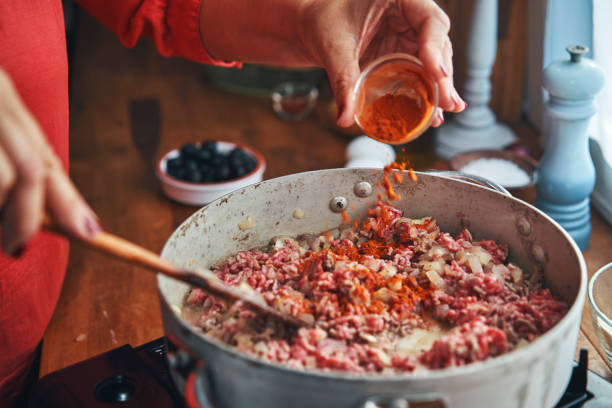
The physical limitations themselves necessitate a kind of elegant efficiency that can streamline your process. With only one primary workspace, you are compelled to practice mise en place—the professional practice of preparing and organizing all ingredients before cooking. Working side-by-side to wash, chop, and measure everything into small bowls creates a foundational stage of collaboration that is calm and conversational. This preparatory phase, often done in the adjoining living area if counter space is truly minuscule, becomes a peaceful preamble to the faster-paced cooking act. Furthermore, the scarcity of space encourages a “clean as you go” discipline. One person can be focused on the active cooking while the other swiftly washes used tools or stows ingredients, a dynamic that keeps the tiny environment manageable and prevents the panic of a piled-up sink.
Beyond logistics, a small kitchen has a unique way of nurturing intimacy and spontaneity. The proximity is not a hurdle but a feature. It fosters unspoken communication—a passed spoon, a tasted sauce offered on a finger, a shared laugh when you inevitably bump hips. The experience becomes inherently cooperative; you are literally in it together, navigating the same small world. This closeness turns meal preparation into a shared, sensory experience: the same aromas fill your immediate space, the sizzle from the pan is your joint soundtrack, and the steam from the pot warms you both. It is cooking as a shared secret, a private world defined by the boundaries of your counters.
Ultimately, cooking together in a tiny kitchen is less about the square footage and more about the quality of the interaction. It teaches patience, clear communication, and adaptive thinking. The meal you create becomes infused with the memory of that collaborative dance—the careful turns, the shared glances, the triumphant plating of a finished dish onto the cleared corner of the only available counter. The constraint, rather than limiting the experience, concentrates it. It strips away the pretense of grandiose culinary theatrics and brings you back to the essential pleasure of creating something nourishing, together, in the heart of your home. So, embrace the cozy chaos. In your tiny kitchen, you are not just sharing tasks; you are crafting connection, one carefully coordinated step at a time.