The Simmering Pot: How Culinary Disagreements Can Strengthen Relationships

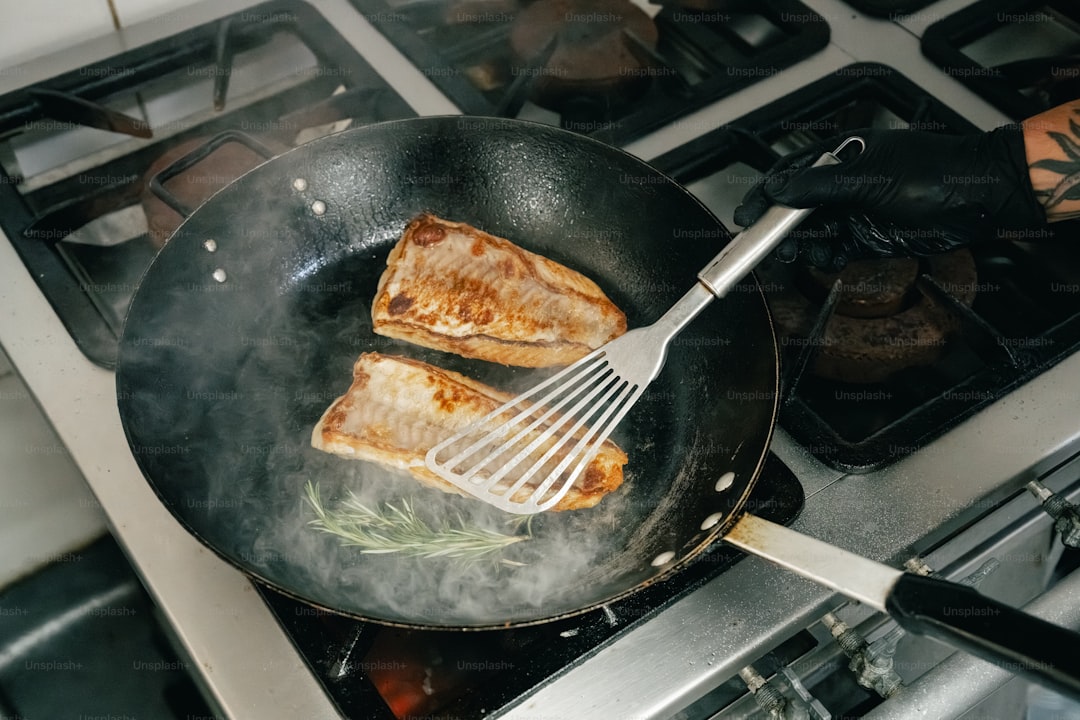
At its core, cooking is a collaborative creative process with immediate, tangible consequences. Unlike abstract debates, the stakes in the kitchen are deliciously real. A forgotten ingredient or an overcooked protein provides instant, non-negotiable feedback. When we argue in this context, we are not just debating opinions; we are managing a shared project under time pressure and sensory overload. The disagreement over “to sear or not to sear” becomes a micro-lesson in compromise and joint problem-solving. One person may relent on the searing technique in exchange for choosing the accompanying herb. This constant, low-stakes negotiation mirrors the larger compromises necessary in any partnership, practicing them in a space where the worst outcome is a slightly disappointing meal rather than a relationship rift.
Furthermore, these culinary clashes often reveal deeper personal histories and cultural fingerprints. A vehement defense of a particular method for making meatballs or kneading dough is rarely just about food science. It is a defense of a grandmother’s tradition, a memory of a childhood kitchen, or an identity tied to a regional cuisine. When we argue about the “right way” to cook, we are often inadvertently offering a glimpse into our pasts and our values. The partner who insists on washing rice may be channeling a parent’s teachings about cleanliness and care. Recognizing this transforms the argument from a petty squabble into an act of mutual discovery. We are not just learning how our partner cooks; we are learning why they cook that way, which is to learn who they are at a fundamental, nourished level.
The very environment of the kitchen also shapes these conflicts in productive ways. The shared goal—a meal to enjoy together—acts as a powerful unifying force, ensuring that most culinary arguments remain contained within the framework of a shared purpose. The necessity to keep moving—to stir the simmering sauce, to check the oven—prevents arguments from festering in static silence. There is a kinetic rhythm to cooking that forces resolution or, at least, a temporary truce for the sake of the dish. Moreover, the sensory richness of the environment—the smells, the tastes, the warmth—can soften edges and prompt de-escalation. Offering a taste of the disputed sauce can be a wordless peace offering, a reminder of the shared pleasure you are working to create.
Ultimately, the act of sitting down to eat what you have cooked, despite the disagreements in its making, is the final and most important step. It is a literal and metaphorical act of incorporation. You consume not just the food, but the process that created it—the debate, the compromise, the small revelations. The meal becomes a testament to your ability to navigate conflict and create something worthwhile together. The argument over the level of spice is forgotten with the first satisfying bite that you both crafted.
Therefore, arguing while cooking together is far from a relationship failure. It is an intimate, high-stakes dance of collaboration. It demands communication, exposes hidden parts of ourselves, and requires a focus on a shared, positive outcome. When handled with even a modest amount of grace and humor, these kitchen disputes can strengthen the bonds of a relationship, proving that the path to deeper understanding and a good meal is sometimes paved with a few heated words over a hot stove.