Mastering the Art of Cooking in a Cramped Culinary Space
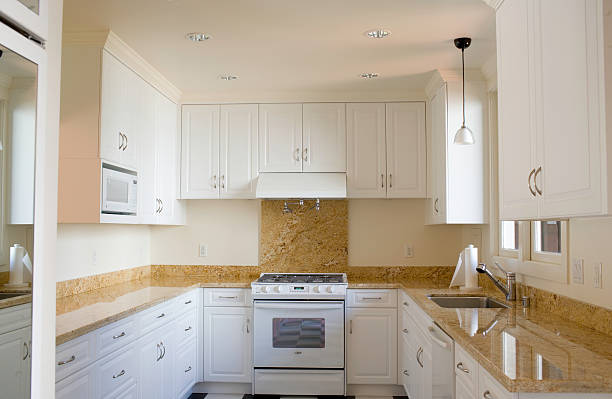
First and foremost, success hinges on a ruthless commitment to organization and the principle of “mise en place,“ a French term meaning “everything in its place.“ In a vast kitchen, you can afford to hunt for a spice mid-sauté, but in a small one, such chaos leads to burned garlic and frustration. Dedicate time to organizing your storage logically. Keep everyday items within arm’s reach and relegate specialty equipment to higher or harder-to-reach shelves. Utilize vertical space with wall-mounted racks for pots, pans, and utensils, and employ tension rods inside cabinets to create extra layers for lids and cutting boards. The goal is to have a designated home for every item, ensuring that putting things away becomes a non-negotiable habit. This single practice prevents the countertops—your precious workspace—from disappearing under a tide of clutter.
With limited surfaces, your approach to meal preparation must become strategic. Embrace the concept of sequential prep rather than trying to lay out every ingredient at once. Chop your vegetables, place them in a bowl, and then use that same cutting board for your protein, cleaning as you go. This method requires a small collection of prep bowls but saves invaluable real estate. Furthermore, invest in multi-functional tools that earn their keep. A high-quality chef’s knife can perform most cutting tasks, eliminating the need for a bulky set. A large, oven-safe skillet can sear, sauté, bake, and even serve as a roasting pan. A versatile appliance like a multi-cooker can pressure cook, slow cook, and sauté, replacing several single-use gadgets. Every item you own should justify its footprint.
Cleaning as you progress is not merely a suggestion for a small kitchen; it is the essential rhythm of the workflow. In a spacious kitchen, dirty bowls can be pushed to the side, but in a confined area, they become immediate obstacles. Fill the sink with soapy water and wash tools as soon as you are done with them, or place them directly into the dishwasher. This maintains your workspace and makes the post-meal cleanup a matter of minutes rather than a daunting chore. Similarly, be mindful of your cooking methods to minimize splatter and mess, which are disproportionately difficult to manage in a tight area. Using splatter screens and keeping a damp cloth handy for immediate wipe-downs will keep the environment manageable.
Finally, reframe your perspective on the limitations. A small kitchen forces efficiency and mindfulness, often leading to less waste and more thoughtful cooking. Embrace one-pot wonders, sheet-pan suppers, and meals that require minimal equipment. The intimacy of the space can become a cozy advantage, where everything you need is literally within a single step. Celebrate the victories of a beautifully executed meal born from your well-orchestrated tiny kitchen dance. Ultimately, the size of the kitchen does not determine the quality of the food; the care, organization, and creativity of the cook do. By adopting these practices, you will find that your small kitchen is not a hindrance, but a highly personal and efficient workshop where delicious possibilities are always within reach.