The Secret to Super Crispy Oven Fries
It all begins with the right potato and its preparation. Starchy potatoes, such as Russets or Idaho varieties, are the undisputed champions for crispiness. Their high starch and low moisture content are essential for achieving a fluffy interior and a crust that crisps beautifully. Once peeled or scrubbed, the cutting technique is crucial. Uniformity is non-negotiable; each fry should be cut to a similar size, typically about a half-inch thick, to ensure even cooking. A haphazard mix of thick and thin pieces will inevitably result in some fries burning while others remain soggy. This foundational step of consistent geometry sets the stage for everything that follows.
Perhaps the most transformative step in the process is the pre-cooking soak. After cutting, the fries must be submerged in cold water for at least thirty minutes, or even overnight in the refrigerator. This hydrating bath serves two critical functions. First, it rinses away excess surface starch, which if left unchecked, can cause the fries to stick to the pan and steam rather than crisp. Second, and more importantly, it draws out the potatoes’ internal sugars and moisture. When the soaked fries are then patted bone-dry with clean kitchen towels—a step that cannot be rushed or overlooked—you are left with a canvas ready to accept fat and heat efficiently. Any residual water will simply steam the potatoes, sabotaging crispness from the start.
The choice of fat and its application is the next pivotal decision. High-smoke-point oils like refined avocado, peanut, or even a generous amount of vegetable oil are ideal. Olive oil can work, but its lower smoke point may limit the high-temperature roasting required. The fries must be tossed in enough oil to coat every surface thoroughly and glisten; this thin layer conducts heat directly to the potato surface and initiates the Maillard reaction—the complex chemical process responsible for browning and flavor development. Seasoning at this stage with salt is also key, as it helps draw out the last traces of moisture. Some enthusiasts add a small amount of cornstarch or baking powder to the oiled fries. These alkaline ingredients further disrupt the potato surface, promoting even more browning and creating a craggy, delicate crust that shatters upon first bite.
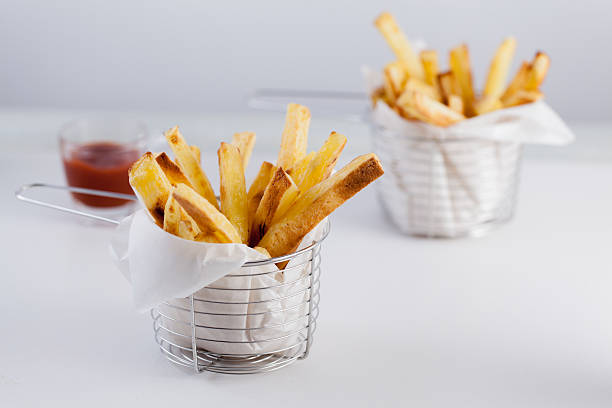
Finally, the cooking environment itself must be engineered for success. A preheated oven is mandatory—a cold start is a sure path to sogginess. The temperature should be aggressively hot, typically between 425° and 450° Fahrenheit. The fries must be spread in a single, uncrowded layer on a heavy-gauge baking sheet, preferably dark in color to absorb heat. Crowding leads to steaming, the nemesis of crispiness. Using a preheated pan or a wire rack set inside the sheet can enhance heat circulation even further, allowing hot air to crisp all sides. Halfway through the cooking time, the fries should be flipped with a confident turn to ensure even coloring. The finished fries are ready only when they are deeply golden and emit a hollow, crispy sound when tapped. They must be served immediately, as even a brief rest on a plate will allow steam to soften their hard-won armor. In that fleeting, perfect moment, you will have captured the essence of crisp, a triumph of patience and technique over the humble potato.