The Art of Peaceful Dialogue: Preventing Conversations from Becoming Arguments
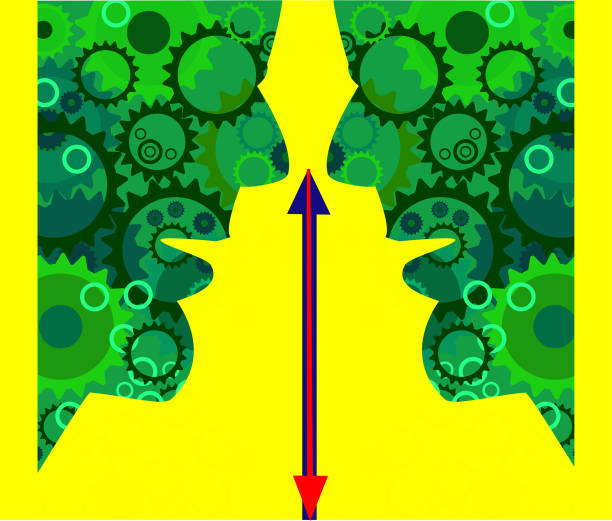
The foundation of prevention is laid before the first word is even spoken. It begins with intentionality and environment. Approaching a potentially charged conversation with a goal of mutual understanding, rather than persuasion, fundamentally changes its trajectory. Entering with the aim to “win” or prove the other person wrong sets an adversarial stage. Instead, we must ask ourselves: “What can I learn from this person’s perspective?“ This subtle reframe transforms the other from an opponent into a partner in exploration. Furthermore, timing and setting are crucial. A complex issue deserves a private moment, not a rushed exchange in a crowded hallway or a comment typed in haste on a digital screen. Choosing a neutral, comfortable space and allowing adequate time signals respect for the topic and the person.
Once engaged, the practice of active listening becomes our most powerful tool. This means genuinely focusing on the speaker’s words, tone, and underlying emotions, rather than mentally rehearsing our rebuttal. It involves the physical and verbal cues of engagement—maintaining open body language, nodding, and offering brief verbal acknowledgments like “I see” or “Tell me more.“ The goal is to comprehend the speaker’s point of view so completely that you could articulate it back to their satisfaction. This practice of paraphrasing—“So, if I’m hearing you correctly, you feel that...“—is transformative. It slows the exchange, ensures accuracy, and, most importantly, makes the other person feel profoundly heard, which disarms defensiveness.
Language itself is the terrain where peace is won or lost. Using “I” statements to express personal feelings and experiences (“I feel concerned when...“) is far less incendiary than global “you” accusations (“You always...“ or “You are wrong”). This owns your perspective without blaming or diagnosing the other. Similarly, embracing curiosity through open-ended questions (“What led you to that conclusion?“) invites explanation rather than triggering justification. It is also essential to separate the person from the problem. Attacking character (“That’s a selfish view”) guarantees an argument. Addressing the specific issue or behavior (“I have a different perspective on that policy”) keeps the conversation productive.
Perhaps the most underrated skill is the management of one’s own emotional state. We must learn to recognize the internal signs of escalation—the quickened pulse, the heated face, the clenched jaw. When these signals flare, it is wise to consciously pause. Taking a slow, deep breath creates a critical moment of space between stimulus and response. It is perfectly acceptable, and often wise, to say, “I need a moment to think about what you’ve said,“ or to suggest a brief break if emotions run high. This is not surrender; it is strategic preservation of the dialogue’s integrity.
Ultimately, keeping a conversation from turning into an argument requires embracing a core humility: the acceptance that we might be incomplete in our understanding and that being right is less important than being connected. It asks us to prioritize the health of the relationship over the triumph of our point. It is the recognition that in most human interactions, the true goal is not to emerge victorious from a battle of wits, but to emerge from a difficult conversation with mutual respect intact, and perhaps, with a broader, more compassionate view of the world we share. This art of peaceful dialogue is not a passive avoidance of conflict, but an active and courageous construction of understanding, one careful, respectful exchange at a time.