Mastering the Art of Even Cooking: A Guide to Harmonious Meals
The journey to even cooking begins long before the heat is turned on, with the fundamental practice of uniform preparation. Cutting ingredients into consistent sizes is the first and most critical step. If you are making a stir-fry, ensure your carrots, bell peppers, and chicken are all cut into pieces of similar mass and shape. A large, dense chunk of potato will never cook at the same rate as a tiny, thin piece, no matter how clever your technique. This principle extends to proteins; pounding chicken breasts to an even thickness ensures they cook through simultaneously without drying out the thinner edges. Mise en place, the practice of having all ingredients prepped and ready, is essential here, as it allows you to assess your components and make adjustments before the cooking clock starts ticking.
Once preparation is mastered, the art of timing takes center stage. Rather than adding every ingredient to the pan at once, we employ a technique known as staging or sequential addition. This involves introducing ingredients to the heat in an order dictated by their required cooking time. A classic soup or stew starts with sautéing aromatic vegetables like onions and celery, which need time to soften and sweeten. Heartier vegetables such as carrots or potatoes are added next, followed by liquid, and finally, more delicate items like peas or leafy greens are stirred in at the very end. In a stir-fry, dense vegetables like broccoli or carrots are often cooked first, with quicker-cooking items like snow peas or bean sprouts added in the final minutes. This method grants each ingredient the precise amount of heat it needs without compromising its neighbors.
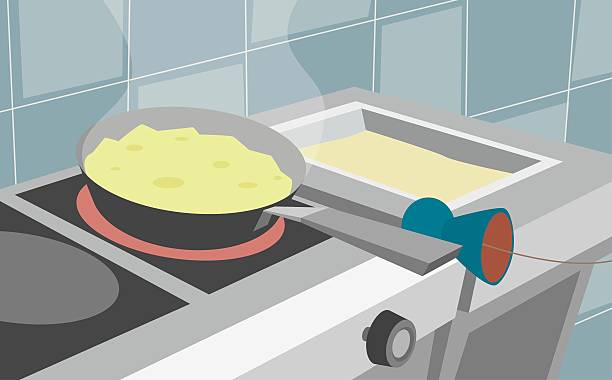
When staging is not fully possible, we can manipulate the cooking environment itself. One powerful tool is the control of heat intensity. Starting with a very hot pan to sear meat and create fond is excellent, but once more delicate vegetables are added, reducing the heat to medium prevents them from burning while the meat finishes cooking through. Another indispensable technique is creating zones within your cooking vessel. On a grill, this means having a hot direct-heat zone for searing and a cooler indirect-heat zone where food can cook through gently without charring. In a pan, you can push quicker-cooking items to the cooler edges or even remove them temporarily onto a plate while slower-cooking items catch up, returning them at the end just to reheat and combine.
Finally, we must not underestimate the power of finishing techniques. The residual heat in a dish, known as carryover cooking, continues the process even off the flame. Pulling a piece of meat from the oven a few degrees before it reaches the target temperature allows it to coast to perfection without overcooking. Similarly, slightly undercooking pasta or vegetables before adding them to a hot sauce lets them finish absorbing flavor without becoming mushy. Covering a dish with a lid or foil for a few minutes after cooking can gently steam and finish harder components without applying more direct heat.
Ultimately, managing different cooking rates is the hallmark of a thoughtful cook. It moves us from blindly following recipes to understanding the behavior of food. It is a dance of preparation, timing, and heat management that turns a collection of disparate ingredients into a harmonious and perfectly cooked meal. By embracing these strategies, we ensure that every element on the plate reaches its peak at the same moment, delivering the satisfying, balanced dish that home cooking is meant to be.