The Perfect First Recipe: A Simple Journey to Scrambled Eggs
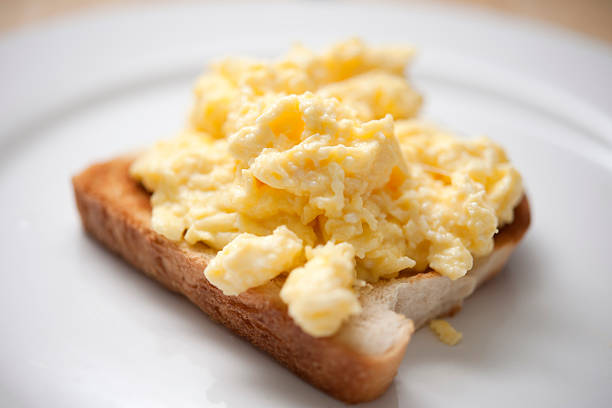
Scrambled eggs are the perfect starting point because they require no specialized equipment beyond a bowl, a fork, and a non-stick skillet. Their ingredients are few, affordable, and forgiving. You will need just two or three large eggs, a small pat of butter or a drizzle of oil, a pinch of salt, and perhaps a tablespoon of milk or water. The process is beautifully straightforward. Begin by cracking the eggs into your bowl. This simple act is your first lesson in handling raw ingredients. Add your pinch of salt and the optional liquid, which will help create a softer texture. Then, using your fork, whisk them together until the yolks and whites are fully combined and you see a uniform, pale yellow mixture. This is your canvas.
Next, you will meet your stove. Place your skillet on a burner and set the heat to medium-low. Patience here is your secret ingredient. Add the butter and let it melt until it foams gently, coating the pan. If you use oil, a thin shimmer is your cue. Then, pour in your egg mixture. Now, the magic begins. Wait a moment, perhaps ten to fifteen seconds, until you see the edges just starting to set. Then, with a spatula, gently push the cooked edges toward the center of the pan, allowing the uncooked liquid to flow into the empty space. Repeat this process—pushing, folding, waiting—as large, soft curds begin to form. The eggs will tell you when they are done; they should look moist, creamy, and softly set, not dry or rubbery. This usually happens within three to five minutes. Immediately transfer them to a plate, as they will continue to cook from residual heat.
The profound lesson of scrambled eggs lies not just in the eating, but in the sensory education they provide. You learn to listen for the sizzle of butter, to watch for visual cues like the setting edges, and to feel the changing resistance as liquid becomes solid. You practice controlling heat, understanding that a gentle, patient approach yields creamy results, while high heat leads to toughness. Most importantly, you experience the immediate gratification of creating something delicious from almost nothing. A plate of warm, creamy scrambled eggs is a triumph, a direct result of your own actions.
Once you have mastered this basic version, you hold a key that unlocks endless variations, allowing your confidence to grow. You might stir in a handful of shredded cheese during the last minute of cooking, or sprinkle chopped fresh herbs like chives or parsley on top. You could add a crack of black pepper or a spoonful of salsa. Each successful attempt builds your kitchen intuition. From this secure foundation, you can then graduate to an omelet, a frittata, or use your egg-cracking skills in baking. The journey of a thousand meals begins with a single, perfectly scrambled egg. So, gather your simple tools, embrace the process, and celebrate this first, delicious step into the joyful world of cooking. Your kitchen adventure starts now.