The Secret Ingredient: How to Keep Cooking Fun and Harmonious
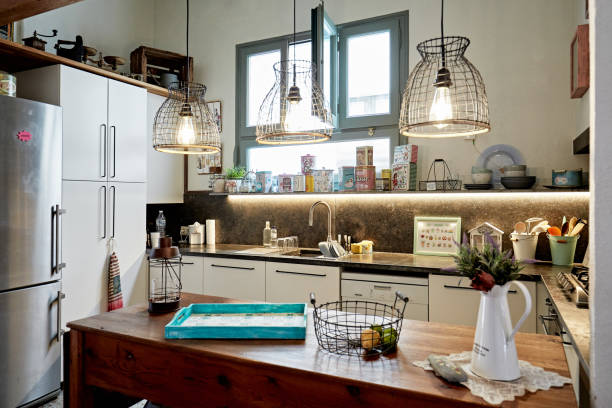
At the core of harmonious cooking lies the foundational step of intentional planning and role definition. Ambiguity is the enemy of a smooth kitchen operation. Before a single ingredient is chopped, a conversation about expectations and desires is essential. Is this meal a meticulous project or a relaxed, improvisational affair? Discussing the menu together allows everyone to voice preferences and avoids the disappointment of a disliked dish appearing on the table. Once the plan is set, dividing tasks according to skill and interest prevents the chaos of duplicated efforts or neglected duties. One person can focus on the main protein, another on the vegetable prep, and a third on setting the table or managing music. This clear delegation transforms a crowded kitchen from a stressful obstacle course into a synchronized dance, where each person has their own space and purpose.
Equally vital is the cultivation of a supportive and patient atmosphere. Cooking is a skill learned through practice, and mistakes are inevitable—from over-salted soup to a broken sauce. In a fun kitchen, errors are met with laughter and problem-solving, not criticism or blame. Adopting a mindset of encouragement, where a burnt edge is a “chef’s crisp” and a spilled spice is an opportunity for a creative adjustment, defuses potential flashpoints. This extends to respecting individual styles; one cook may meticulously measure every gram, while another cooks by intuition and taste. Recognizing that different methods can lead to equally delicious results fosters respect and reduces friction. The goal is not a perfect plate for a photograph, but a shared experience and a meal enjoyed together.
Furthermore, keeping the activity light-hearted involves embracing the experience beyond the final dish. Putting on favorite music, sharing stories, or even enjoying a small, pre-meal beverage can shift the focus from a high-stakes production to a social event that happens to involve food. This perspective helps navigate minor setbacks without derailing the entire evening. It is also crucial to manage fatigue and hunger, those notorious saboteurs of good moods. Starting the process before people are ravenous, or having a small snack like cheese or olives to nibble on, maintains energy levels and patience. Remembering that the primary objective is connection, not perfection, allows everyone to relax and engage in the process with genuine enjoyment.
Ultimately, keeping cooking fun and argument-free is about prioritizing people over plates. It requires the foresight to plan, the wisdom to communicate, the grace to forgive mishaps, and the perspective to cherish the shared journey. By setting clear intentions, fostering a supportive environment, and infusing the process with joy, the kitchen reclaims its role as the home’s true hearth. The most memorable meals are seldom those that are flawlessly executed, but those seasoned with laughter, collaboration, and the simple, profound pleasure of creating something together. In the end, the secret ingredient to a happy kitchen is always, and forever, generosity of spirit.