Can Cooking Together Really Save Us Money?
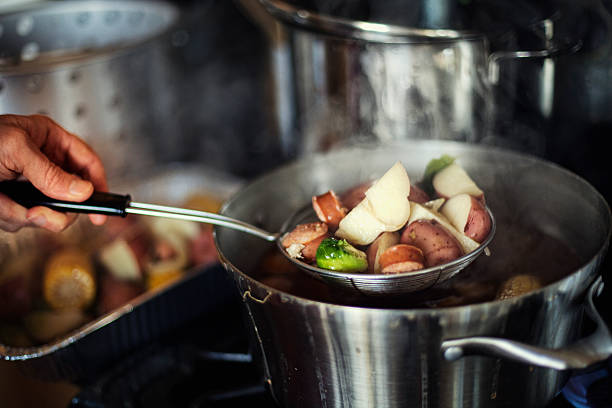
The most direct and obvious saving is the avoidance of premium food service markups. A meal prepared at home typically costs a fraction of its restaurant equivalent. When this task is shared among housemates, a couple, or a family, the per-person cost plummets further. Cooking together transforms meal preparation from a solitary chore into a coordinated effort, making it feasible to prepare larger, more cost-effective batches of food. A single person might balk at cooking a complex recipe, but a team can divide the labor, making from-scratch meals—which are almost always cheaper and healthier than processed alternatives—an enjoyable and achievable goal. This collaborative batch cooking leads directly to another major area of savings: the reduction of food waste.
Food waste is a silent budget killer. How often does a single head of lettuce wilt in the crisper, or a half-used jar of sauce languish in the fridge? Cooking together fosters a “kitchen economy” mindset. Multiple people are invested in the inventory, more likely to plan meals around what needs to be used, and can creatively incorporate leftovers into new dishes. A roast chicken cooked together on Sunday can become tacos on Tuesday and a simmered stock for soup on Wednesday. This collaborative vigilance ensures that groceries are fully utilized, stretching the food budget significantly further. Furthermore, cooking as a unit allows for smarter, bulk purchasing. Buying a large sack of rice, a whole chicken, or a family-sized pack of vegetables is more economical, and a shared cooking plan ensures these bulk items will be used efficiently before they spoil.
Perhaps the most profound, yet intangible, financial benefit is the cultivation of culinary skills and confidence. When people cook together, knowledge is shared—a parent teaches a child how to chop an onion safely, a roommate shares a recipe from their culture. This collective skill-building reduces reliance on expensive convenience foods, pre-chopped vegetables, or ready-made sauces. Learning to transform inexpensive, whole ingredients like dried beans, grains, and seasonal produce into delicious meals is a lifelong economic advantage. The confidence gained in a supportive, shared environment empowers individuals to choose home cooking over takeout more consistently, creating a virtuous cycle of saving.
However, the financial success of communal cooking hinges on intentionality. It requires basic planning—a rough weekly menu, an inventory check, and a shared shopping list to prevent impulse buys. Without communication, it can lead to duplicated ingredients or conflicting meal desires. Yet, when approached with a spirit of cooperation, the benefits compound. The process itself becomes a form of entertainment, replacing costly nights out with rewarding, productive time at home.
Ultimately, cooking together saves money not as a magic trick, but as a holistic financial strategy. It attacks the problem of food costs on three fronts: it drastically cuts the premium of prepared foods, it systematically minimizes waste, and it builds the skills and habits that make frugal, healthy eating sustainable and enjoyable. The savings materialize not just in the monthly bank statement, but in the strengthened connections between those sharing the kitchen and the empowered sense of self-sufficiency that comes from creating a meal together. In a world of escalating costs, the humble, shared act of cooking remains a surprisingly potent tool for economic resilience and well-being.