The Practical Wisdom of Owning Two Sets of Measuring Spoons
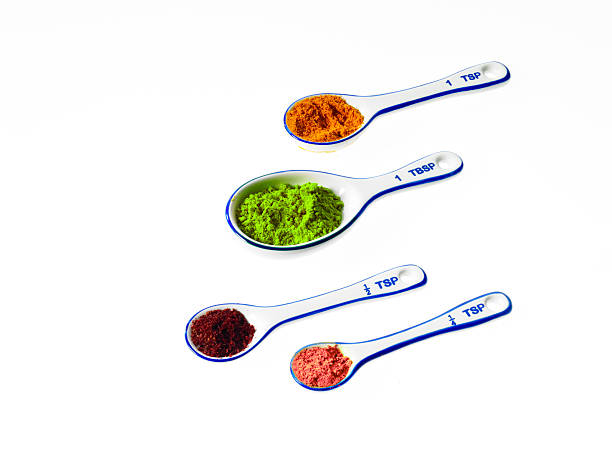
Primarily, a second set of measuring spoons is a powerful guard against cross-contamination and the muddling of flavors. Consider the common sequence of preparing a meal: a cook must measure soy sauce, then vanilla extract, then perhaps a pungent spice like cumin. With only one set, the process necessitates a thorough wash and dry between each ingredient to prevent the vanilla from tasting of soy or the cumin from infusing into a delicate custard. This constant interruption breaks the cook’s rhythm and adds significant time to meal preparation. With two sets, one can be designated for wet, strong, or savory ingredients—like oils, extracts, or pastes—while the other remains dedicated to dry spices, baking powder, or herbs. This simple separation ensures that each flavor remains pure and untainted, a critical factor in achieving the intended taste of a dish.
Furthermore, the presence of a second set is an invaluable time-saving asset, particularly in the high-stakes realm of baking. Baking is a science that demands sequential precision; once wet and dry ingredients begin to combine, timing becomes essential. If a recipe calls for both baking soda and baking powder, or multiple spices to be added in quick succession, fumbling to wash and dry a single spoon between each step is impractical. It can lead to rushed measurements, mistakes, or even compromised chemical reactions in the batter. A second set allows for seamless progression, enabling the cook to measure all dry ingredients in advance and add them without pause. This uninterrupted flow is not merely convenient; it is often fundamental to the success of the recipe, ensuring leavening agents activate properly and ingredients are evenly incorporated.
Beyond the functional during cooking, a secondary set simplifies the entire culinary process from start to finish. During the initial mise en place—the professional practice of preparing all ingredients before cooking—having multiple spoons allows every measured element to be laid out in its own container without delay. After the cooking is complete, the cleanup phase is also less daunting. Instead of facing a single, sticky, and encrusted set of spoons that requires immediate attention, the workload can be staggered. One set can be soaking while the other is already clean and ready for the next task, or for a family member who needs to quickly measure coffee or medicine without disrupting the kitchen’s post-meal state.
Ultimately, the humble measuring spoon is a bridge between recipe and reality. Owning two sets is a modest investment that yields disproportionate returns in kitchen confidence and capability. It respects the integrity of ingredients, honors the precision required in recipes, and acknowledges the human desire for an efficient and enjoyable cooking experience. In a space where chaos is always a spilled ingredient away, this small act of duplication creates order, preserves flavor, and grants the cook the priceless commodity of uninterrupted focus. It is a testament to the idea that the best-equipped kitchens are not necessarily those with the most exotic tools, but those with thoughtfully considered duplicates of the most fundamental ones.