The Essential Foundation for Effortless Sheet Pan Cooking
First and foremost, the sheet pan itself is the hero of the endeavor, and not all pans are created equal. A heavy-duty, rimmed half-sheet pan, typically measuring 18 by 13 inches, is the ideal workhorse. The sturdy construction prevents warping at high heat, ensuring even cooking, while the raised edges contain oils and juices. Opting for a darker, non-shiny pan promotes better browning by absorbing heat efficiently. Alongside the pan, a reliable oven is a silent partner. An inexpensive oven thermometer is a wise investment, as oven dials are often inaccurate, and proper temperature is the engine of successful roasting. For handling the hot pan and turning ingredients, a sturdy pair of tongs and a wide metal spatula are indispensable extensions of the cook’s hand.
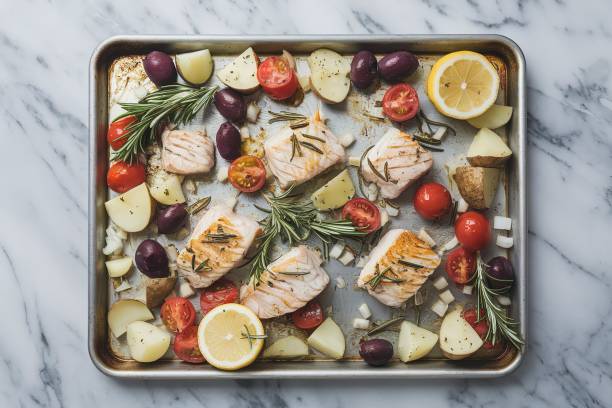
With the hardware secured, the core technique lies in the mindful preparation of the food. The primary goal is to encourage browning and avoid sogginess, which is achieved through two key practices: dry ingredients and ample space. Patting proteins and washed vegetables thoroughly dry with a towel removes surface moisture that would otherwise steam the food. Then, the arrangement on the pan is paramount. Each item needs its own space to allow hot air to circulate; overcrowding is the most common beginner mistake, leading to steamed, limp results. Ingredients should be spread in a single, uncrowded layer. This often means using two pans for a larger meal, which is a far better outcome than a single, overloaded one.
The choice and treatment of fat form another pillar of the basics. A high-heat cooking oil, such as avocado, refined olive, or canola oil, is essential for conducting heat and creating a crisp exterior. A light, even coating is necessary, and tossing vegetables directly in a bowl with oil, salt, and seasonings ensures every surface is covered. This step does more than prevent sticking; it draws out natural moisture, intensifies flavor, and catalyzes the Maillard reaction—the chemical process responsible for deep, savory browning and complex tastes. Seasoning at this stage, not just at the table, builds layers of flavor from the inside out.
Finally, a thoughtful approach to ingredient selection and timing separates a haphazard tray of food from a cohesive meal. Since different foods cook at different rates, successful sheet pan cooking requires either grouping items with similar cooking times—such as broccoli and chicken thighs—or employing a staggered start. Denser vegetables like potatoes and carrots can be started first, with quicker-cooking items like shrimp or asparagus added to the pan halfway through the roasting time. This simple consideration ensures everything finishes together, perfectly cooked. Embracing these fundamentals transforms the sheet pan from a mere piece of bakeware into a versatile tool for creating endless, minimally messy meals. With a good pan, a respect for heat and space, a coating of oil, and a strategy for timing, anyone can lay the foundation for a lifetime of simple, delicious cooking straight from the oven.