The Plate Method for Two: A Simple Way to Share Dinner Without Overeating
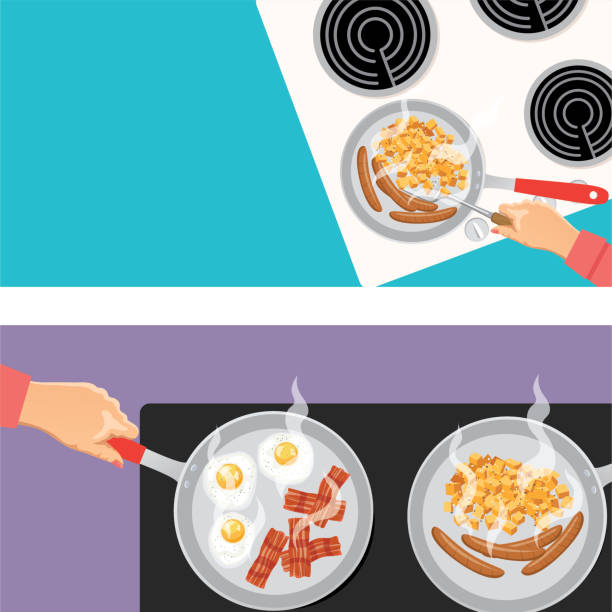
So what is the plate method? It is an old idea that nutritionists love because it is easy to remember. You take your dinner plate and split it into sections in your mind. Half of the plate should be filled with non-starchy vegetables like broccoli, spinach, peppers, or zucchini. One quarter of the plate gets your protein, such as chicken, fish, beans, or tofu. And the last quarter is for carbs like rice, pasta, potatoes, or a slice of whole-grain bread. That is it. No counting, no weighing, no apps. Just a visual guide that works for almost any meal you might cook together.
Now, when you are cooking for two, the plate method becomes a fun little game you play as a couple. First, you need to agree on a plate size. Use the same dinner plates for both of you so that the portions are equal. That alone stops the “You got more than me!” argument before it starts. Next, talk about what vegetables you both love. Maybe you roast a big tray of carrots and Brussels sprouts. That half of the plate is easy to fill because veggie volume is your friend. For protein, think about what feels satisfying. A piece of salmon or a grilled chicken breast about the size of your partner’s palm is usually perfect for each person. For the carb quarter, think about how much pasta you would normally dump onto a plate, then cut it in half. It might look small at first, but trust the method. When you pile on all those veggies, the whole plate looks full and colorful.
The real magic happens when you make this a shared habit. Instead of one person bossing the other around about what to eat, you get to plan together. You can say, “Hey, I think half our plate should be greens tonight. What do you want to try?” That invites input and keeps both of you on the same team. Over time, you learn each other’s hunger signals. Maybe your partner needs a little extra protein after a long workout, while you feel better with more veggies. The plate method gives you a flexible structure that you can adjust together without fighting.
Another huge win is that cooking for two with portion control means way less food waste. How many times have you thrown out leftover rice or sad, mushy vegetables because you made too much? When you portion right from the start, you save money and don’t feel guilty about wasting food. Plus, you have more energy after dinner. Nobody wants to clean up the kitchen feeling like a stuffed turkey. You want to feel good enough to chat, maybe take a short walk, or cuddle on the couch without a food coma.
If you don’t have a plate handy, say you are eating out or at a friend’s house, you can use your hands as a backup tool. Your cupped hand measures about one serving of veggies. Your flat palm measures a serving of protein. And your fist measures a serving of carbs. Teach this trick to your partner and whisper, “Fist-size rice, babe,” across the table. It is a silly, secret code that only you two share. That kind of inside joke builds connection.
The most important thing to remember is that portion control is not about punishment or dieting. It is about respecting your body and your relationship. When you both feel good after a meal, you are more likely to want to cook together again. That is how healthy habits stick. So next time you stand side by side in the kitchen, try the plate method. Look at your plates, smile, and eat slowly. Talk about your day. Lick the spoon together. That is what makes a meal for two special.