Tiny Kitchen, Big Memories: Yes, You Can Absolutely Cook Together
The first and most crucial step is to abandon the fantasy of parallel, independent cooking. In a large kitchen, partners can operate as separate stations: one on sauces, one on salads. In a tiny one, success hinges on embracing a sequential, duet-like rhythm. This requires planning and communication before a single ingredient is chopped. Sit down together to choose a recipe that is manageable for the space—one-pot wonders, sheet pan dinners, or simple pastas are ideal. Discuss the game plan: who will handle which tasks and in what order? This pre-game huddle is not merely logistical; it builds anticipation and establishes you as a team facing a charming, shared challenge. You are not two chefs competing for territory; you are co-conspirators in a delicious mission.
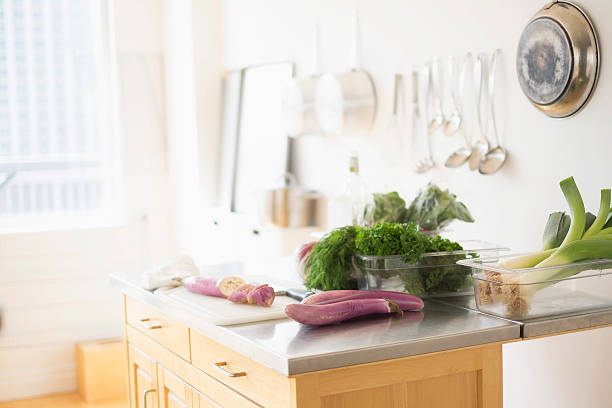
With a plan in place, the dance begins. Efficiency becomes your guiding principle. Embrace the concept of mise en place—having all ingredients washed, chopped, and measured before cooking starts. This can be done in shifts at the sole available counter space, or creatively on the kitchen table or even a nearby coffee table. With ingredients prepped, the actual cooking becomes a fluid hand-off. One person sautés the aromatics while the other toasts spices or washes the few utensils being used. As one step finishes, they gracefully step back, announcing “your turn,“ allowing their partner to step in and add the next component. This constant, gentle communication—“behind you,“ “hot pan coming through,“ “can you grab the salt?“—fosters a hyper-awareness of each other’s movements that is inherently bonding. The physical closeness, rather than being a nuisance, becomes a constant, warm reminder of partnership.
Moreover, the tiny kitchen forces a beautiful simplification. There is no room for extravagant, multi-process meals or a sink full of every pot you own. This limitation breeds creativity and focus. You learn to appreciate the elegance of a few high-quality ingredients prepared well. The cleanup is integrated into the process, as washing a bowl immediately to reuse it becomes second nature. The experience becomes less about the grandeur of the production and more about the shared focus on a single, achievable goal. Laughter inevitably erupts when you bump hips or playfully argue over the “right” way to mince garlic with the one good knife you own. These moments of lighthearted collision are the memories you will cherish far more than the memory of endless square footage.
Ultimately, cooking together has never been about the dimensions of the room, but the quality of the connection within it. A tiny kitchen strips away pretense and demands cooperation, turning a mundane task into a testament to teamwork. It asks you to be mindful, to communicate, and to find joy in proximity. The meal you create, seasoned with patience and laughter, will taste all the richer for the shared effort in your cozy culinary cockpit. So, throw open those narrow cabinet doors, embrace the close quarters, and discover that the best ingredient for any meal, regardless of kitchen size, is always togetherness.