The Art of Advance Preparation: A Guide to Party-Ready Sushi
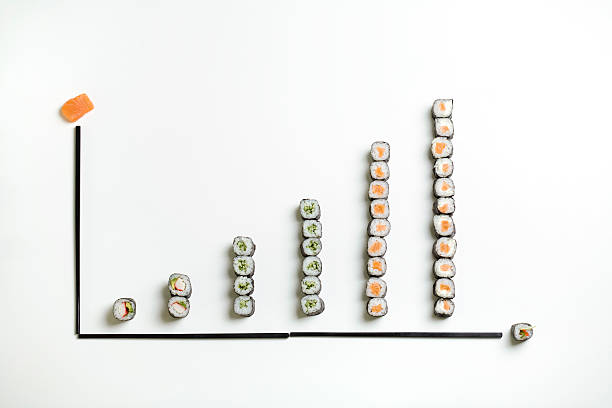
The fundamental principle to embrace is that sushi is an assembly of distinct elements, each with its own optimal timeline. The journey begins with the rice, the very heart of sushi. In fact, preparing sushi rice a few hours in advance is not only possible but beneficial. After seasoning with the vinegar mixture, the rice needs time to cool to room temperature and for the flavors to harmonize. It should be covered with a damp cloth to prevent drying and can be held safely at room temperature for up to two hours before assembling. For longer holds, refrigeration is necessary, but be warned: cold rice becomes hard and loses its signature texture. If refrigerated, the rice must be gently brought back to room temperature before use, a process that requires careful attention.
The fillings and toppings, or neta, demand a more cautious approach. Raw fish of sashimi-grade quality should be purchased the day of the party and sliced as close to serving time as possible. This is non-negotiable for both safety and texture. However, many other components can be prepped a day in advance. Vegetables like cucumber, avocado (with the pit left in and wrapped tightly to prevent browning), and carrots can be julienned and stored in airtight containers. Cooked items such as seared tuna, tamagoyaki (sweet omelet), and crab stick are perfectly suited for advance preparation. Marinated tofu, blanched shrimp, and even spicy mayo can be made ahead, streamlining the final assembly.
The moment of assembly is where timing becomes most critical. For the best texture and taste, assembled sushi rolls (maki) and hand-pressed nigiri should be consumed within two hours of creation if held at room temperature. This is the window that defines “ahead of time” for the finished product. To maximize this period, assemble your rolls no more than two hours before guests arrive. Once rolled, use a very sharp knife to cut them, wiping the blade clean between cuts for neat edges. Do not cover the plated sushi with plastic wrap, as it will trap steam and instantly soften the nori, turning it unpleasantly chewy. Instead, place the platter in a cool, undisturbed area.
For a party where you wish to prepare significantly earlier, consider a deconstructed or “sushi bake” approach. A sushi casserole, where seasoned rice is layered with fish and toppings in a baking dish, can be assembled earlier and baked just before serving. Alternatively, set up a DIY sushi station with all your pre-prepped components—rice, nori sheets, sliced fillings, and condiments—allowing guests to roll their own. This interactive solution guarantees ultimate freshness and becomes a memorable party activity.
Ultimately, we can make sushi ahead of time for a party, but we must redefine what “ahead of time” means for each component. The key is intelligent staging: prep ingredients a day before, cook and season elements hours before, and perform the final assembly within a two-hour window of serving. By respecting the delicate nature of each part—the rice, the nori, and especially the fish—you can confidently present a beautiful, fresh-tasting sushi spread without being trapped in the kitchen during your own celebration. It is a practice in balance, where thoughtful preparation meets impeccable timing, ensuring your sushi is both a testament to planning and a celebration of immediacy.