The Art of Fair Kitchen Cleanup: Navigating Shared Responsibilities
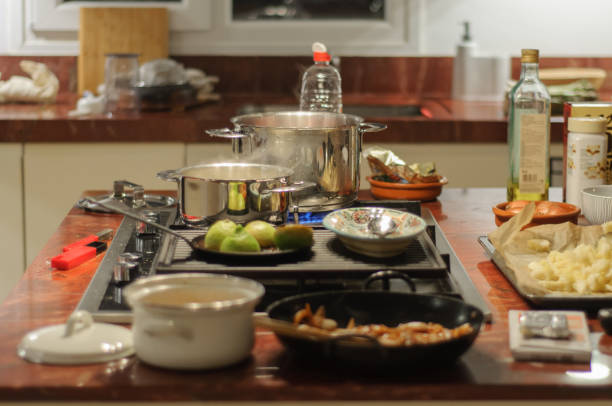
The foundation of any fair cleanup begins not at the sink, but during the cooking process itself. This philosophy, often called “cleaning as you go,“ transforms cleanup from a monolithic chore into a series of manageable acts. The person waiting for pasta to boil can wash the now-empty prep bowls. The one who used a single spice can return it to the cabinet. This approach acknowledges that the cook who creates a typhoon of dishes has already generated a larger share of the work, even if unintentionally. Fairness, therefore, involves a preemptive mindfulness where each contributor takes ownership of their immediate culinary mess, lightening the collective load that awaits after the meal.
When the meal concludes, the most equitable systems often consider the division of labor that preceded it. A rigid “you cook, I clean” rule can feel unfair if one person prepared a simple salad while the other crafted a complex, multi-pot feast. A more nuanced approach is to view the entire endeavor—planning, prepping, cooking, and cleaning—as a single project. Did one person shoulder the mental load of meal planning and shopping? Did another execute a technically challenging recipe? Fair cleanup considers these invisible labors. Perhaps the menu-planner gets a slight reprieve at the sink, or the master chef is exempt from scrubbing the most daunting pan they used. This holistic view prevents resentment and recognizes all contributions.
The nature of the cleanup tasks themselves also demands consideration. Fairness rarely means an identical number of items washed; it means an equivalent investment of effort and time. Scouring a baked-on casserole dish is not equal to rinsing three wine glasses. A fair method involves categorizing chores into “heavy” and “light” duties, or better yet, allowing individuals to choose their tasks based on preference or tolerance. One person may despise washing greasy pans but not mind wiping all surfaces and sweeping. Another might prefer the meditative act of washing over the detail-oriented chore of putting everything away. By playing to strengths and aversions, the process becomes more efficient and personally fair.
Ultimately, the most successful systems are rooted in clear, kind communication and a shared commitment to the collective outcome. A brief, post-dinner conversation—“How should we tackle this?“—can establish a game plan that feels good for everyone. This is where grace and flexibility become essential. Some nights, one person is simply more tired, and a partner might generously offer to handle more, trusting the favor will be returned another time. The goal is not a perfectly balanced ledger every single evening, but an overall equilibrium in the relationship.
In the end, fair cleanup is a microcosm of cooperative living. It requires awareness, communication, and a willingness to see the whole picture rather than just the pile of dishes. It is an acknowledgment that the work of creating joy—the meal—includes the work of restoring order. When done with a spirit of teamwork rather than scorekeeping, the act of cleaning up together can even extend the camaraderie of the kitchen, transforming a chore into a quiet, concluding chapter of shared time. The truly fair cleanup is one where everyone feels the effort was just, leaving the kitchen spotless and the relationship even stronger.