The Art of the Final Plate: Presenting Your Finished Dish
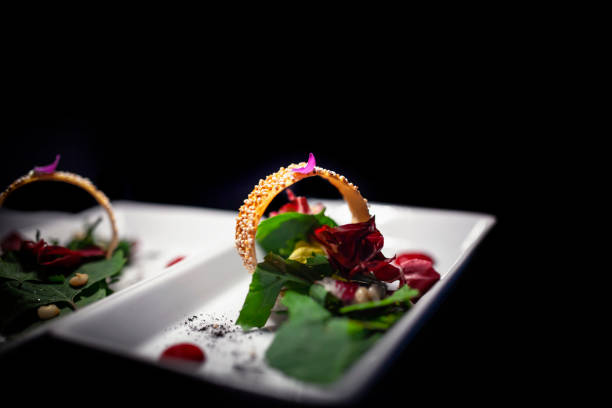
At its core, effective presentation begins with an understanding of the plate as a canvas. This does not imply overly intricate, architectural arrangements that prioritize form over function, but rather a thoughtful consideration of balance, color, and negative space. The choice of plate itself is the first decision, with its size, color, and shape setting the stage. A large, white plate offers a clean, modern backdrop that allows the food’s natural colors to shine, while a rustic, slate board or a deeply colored bowl can evoke a sense of earthiness or warmth. The food should be the hero, not overwhelmed by its surroundings. From this foundation, we build with intention, considering the placement of each component to create a harmonious composition. A central placement can feel focused and comforting, while an off-center arrangement can introduce dynamism and elegance. The key is to avoid a cluttered appearance, allowing each element room to breathe, which in turn makes the dish more inviting and accessible.
Color is the most immediate tool for creating visual appeal. A monochromatic plate, while sometimes sophisticated, can fall flat. We instinctively seek a vibrant, natural spectrum. The deep green of sautéed kale, the bright orange of a roasted carrot, the rich red of a wine-braised short rib—these hues tell a story of freshness and variety. Garnishes are the final brushstrokes of color and texture, but they must be purposeful. A sprinkle of finely chopped parsley or chives adds a fresh green accent and an herbal note; a drizzle of vibrant chili oil or a swoosh of ivory crème fraîche introduces contrast and sheen; a scattering of toasted nuts or seeds provides a welcome crunch. Crucially, every element on the plate should be edible and contribute to the overall flavor profile. A sprig of rosemary used solely for decoration is a missed opportunity; one that is lightly fried and crispy becomes an integral part of the dish.
Ultimately, the philosophy of plating is rooted in respect: for the ingredients, for the diner, and for the craft of cooking. It is about creating a moment of anticipation and delight. A beautifully presented dish communicates care and effort, elevating the meal from mere sustenance to an experience. It engages the eyes first, triggering salivary glands and building excitement before the first bite is taken. This visual appeal is inseparable from the practicalities of eating; a well-composed plate ensures that each forkful can easily combine the intended components, allowing the flavors to marry as designed. The sauce should be applied with purpose—beneath a protein to keep it crisp, or deliberately around the plate to be dragged through—not haphazardly splashed. Proteins are often sliced to reveal their perfect cook, inviting the diner in.
In the end, presenting our finished dish is the culmination of our culinary narrative. It is a silent overture that speaks of seasonality, technique, and generosity. By mastering the balance of color, composition, and purpose on the plate, we do not just serve food; we offer an invitation, complete the story, and transform a meal into a memorable occasion. The final presentation is the cook’s last chance to say, “This was made for you,“ and when done with thoughtful artistry, that message is deliciously received.