Embracing Culinary Diversity: A Guide to Harmonizing Different Cooking Styles
The first and most crucial step is to approach each cooking style with genuine curiosity rather than judgment. A cuisine is more than a collection of recipes; it is an expression of history, geography, and culture. Before attempting to blend or alternate between, say, the precise, timed techniques of French cuisine and the intuitive, spice-tempering art of Indian cooking, one should seek to understand their underlying philosophies. This might involve researching the “why” behind the methods—learning why stir-frying over intense heat is central to a Chinese wok’s flavor, or why slow braising is cherished in Italian nonna’s kitchen. This foundational respect transforms potential friction into appreciation, framing differences not as obstacles but as unique expressions of culinary wisdom.
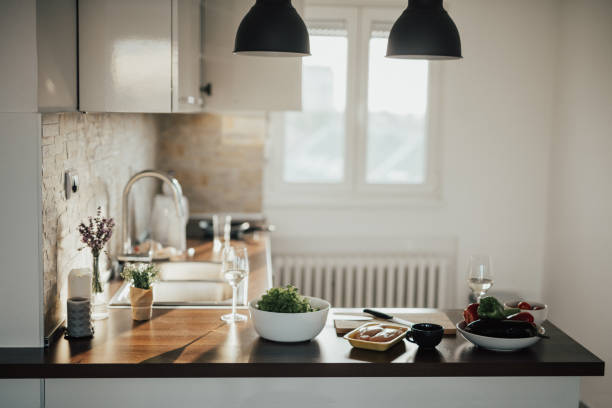
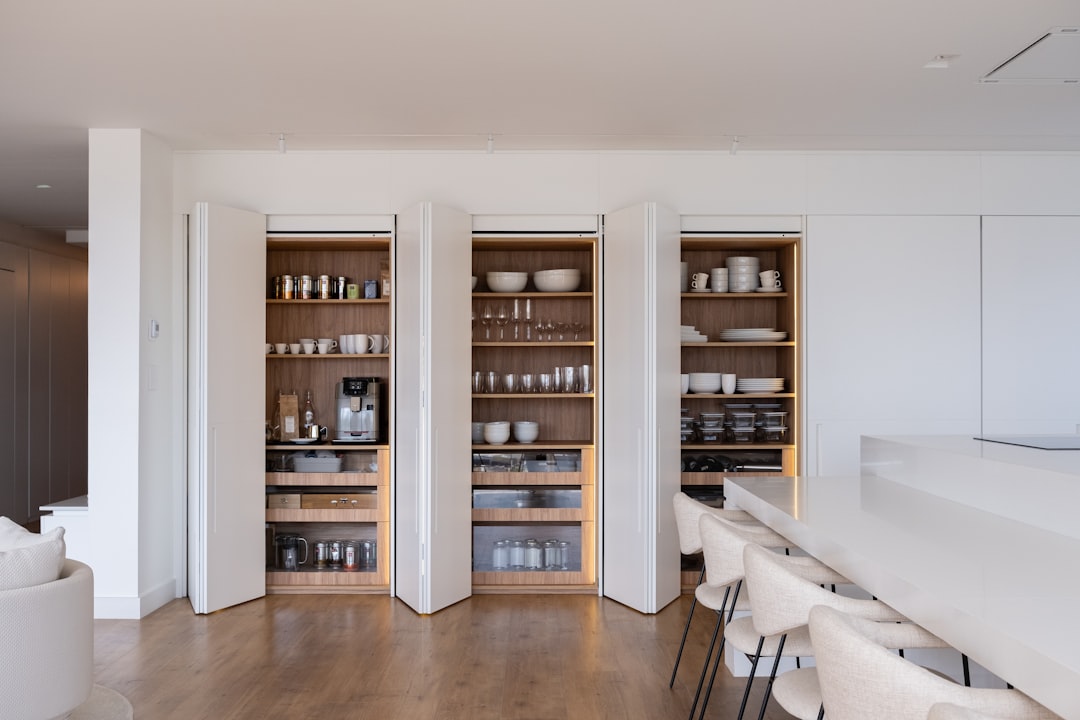
Practical harmony in a shared kitchen space often comes down to communication and organization. For households that regularly engage in multiple styles, zoning can be an effective strategy. Designating areas for specific prep work—a station for rolling dumplings or pasta, a clear counter for mise en place, a dedicated mortar for grinding spices—can prevent logistical clashes and cross-contamination of flavors. Equally important is an open dialogue about preferences and boundaries. One cook might cherish the vibrant, aromatic splatter of a sizzling tadka, while another prioritizes a spotless stovetop. Negotiating these practicalities, perhaps by using splatter guards or designating “high-heat” nights, ensures that the kitchen remains a space of collaboration rather than conflict.
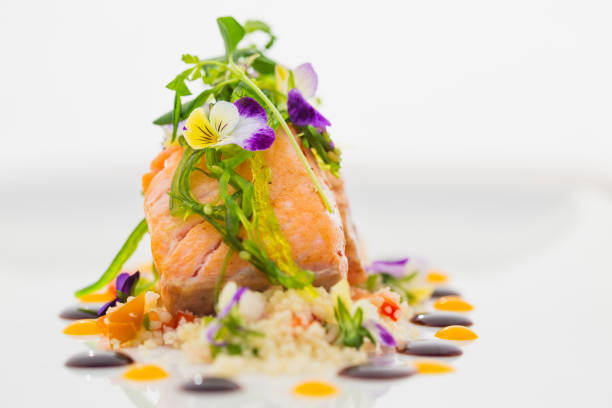
When the goal is to merge styles within a single dish, a thoughtful, principled approach yields the best results. Successful fusion respects the integrity of core components. It is not a haphazard mixing but a considered marriage. One might apply French slow-cooking techniques to a Mexican mole, allowing the complex chili and chocolate flavors to deepen, or use a Japanese dashi stock as the base for an Italian risotto, adding umami richness. The key is to understand the role of each element—what provides acidity, depth, heat, or freshness—and to substitute or combine with intention. The worst outcomes arise from forcing combinations that disrespect the ingredient or technique’s original purpose, resulting in discord rather than harmony.
Ultimately, handling different cooking styles is an exercise in flexibility and celebration. Some meals can be a full immersion into one tradition, an opportunity to honor it fully. Others can be playful experiments at the borders where cuisines meet. The kitchen toolkit should expand to include a well-seasoned wok alongside a cast-iron skillet, a rice cooker next to the stockpot. This physical diversity mirrors the mental adaptability required. There will be experiments that fail, dishes that speak in a confused culinary tongue, but these are simply part of the learning process.
In the end, the confluence of cooking styles in our homes is a reflection of our interconnected world. By meeting these differences with respect, organizing for coexistence, and blending with care, we do more than just manage meals. We create a microcosm of cultural dialogue, where every simmering pot and sizzling pan tells a story, and the shared act of eating becomes a testament to the richness of human creativity. The beautifully diverse kitchen, therefore, becomes not a battleground of techniques, but a laboratory for mutual understanding, one delicious dish at a time.