The Art of Enjoying Dessert: A Balanced Approach to Portion Control
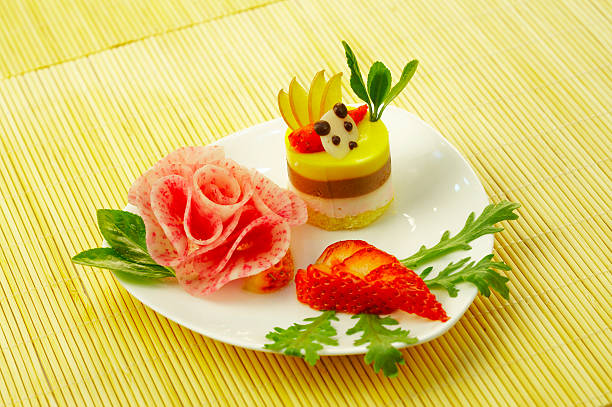
The first step in managing dessert portions is a fundamental shift in perspective. We must move away from viewing dessert as a mandatory, heaping finale and instead recognize it as a deliberate, sensory experience. This begins with intention. Rather than eating dessert out of habit or because it is placed in front of us, we can pause and ask if we truly desire it. This moment of mindfulness creates a space between impulse and action, allowing us to choose to enjoy a smaller amount with full attention. When we do decide to indulge, the focus should be on quality over quantity. A few exquisite bites of a rich, dark chocolate torte or a perfectly crafted crème brûlée can provide more profound satisfaction than a large portion of a mediocre, overly sweet alternative. Savoring each bite slowly, noting the textures and flavors, transforms a small portion into a fulfilling ritual.
Our environment plays a powerful role in shaping our consumption. The simple act of plating a dessert on a smaller dish, such as a salad plate or a dedicated dessert bowl, can create a visual perception of abundance. A modest scoop of ice cream in a petite cup looks complete, whereas the same amount might seem lost in a large dinner bowl. Furthermore, storing bulk desserts out of immediate sight—in opaque containers at the back of the refrigerator or freezer—reduces casual, mindless eating. When possible, consider preparing or ordering individual portions. Miniature tarts, small ramekins of pudding, or a single cookie provide a built-in stopping point that a large shared cake does not. At restaurants, sharing a single dessert with the table is a classic and effective tactic, allowing everyone to enjoy a taste without committing to a full serving.
Balancing dessert within the broader context of one’s overall diet is also crucial. This does not mean “earning” dessert through punitive exercise, but rather making conscious choices throughout the day. If a special dessert is anticipated at an evening event, one might naturally choose a lighter lunch or focus on nutrient-dense meals earlier. This is not about restriction, but about harmony and making room for life’s pleasures. It is also helpful to diversify our concept of what constitutes dessert. Often, the craving for something sweet at meal’s end can be beautifully satisfied with a piece of seasonal fruit, a small bowl of berries with a dollop of yogurt, or a few dates stuffed with almond butter. These options provide natural sweetness and nutrients, fulfilling the psychological close to a meal without the heavy aftermath of a rich confection.
Ultimately, handling dessert portions is an exercise in personal harmony. It is about rejecting the all-or-nothing mentality that plagues modern dietary thinking. By embracing mindfulness, employing simple environmental tricks, and integrating sweets thoughtfully into our lifestyle, we can enjoy dessert for what it is meant to be: a joyous and gratifying experience. The goal is not to eliminate life’s sweet conclusions, but to refine them, ensuring that each small portion delivers maximum pleasure and aligns with a broader commitment to health and well-being. In this balanced approach, dessert remains a delight, not a dilemma.