The Delicate Art of Melting Chocolate Perfectly
Chocolate is an intricate emulsion of cocoa solids, cocoa butter, sugar, and often milk solids. Its structure is stable when solid but remarkably fragile when heated. The primary enemy is direct, high heat. Chocolate burns easily because its sugars and proteins are sensitive to temperature. Exceeding approximately 115°F (46°C) for dark chocolate or 110°F (43°C) for milk or white chocolate risks scorching, which imparts a bitter, unpleasant taste and a gritty texture. Furthermore, the introduction of even a single droplet of water into melting chocolate can cause it to “seize,” turning it from fluid to a stiff, clumpy paste. This happens because the water dissolves the sugar, which then binds with the cocoa solids, separating from the fat. Therefore, the twin pillars of successful melting are precise, gentle heat and scrupulous dryness.
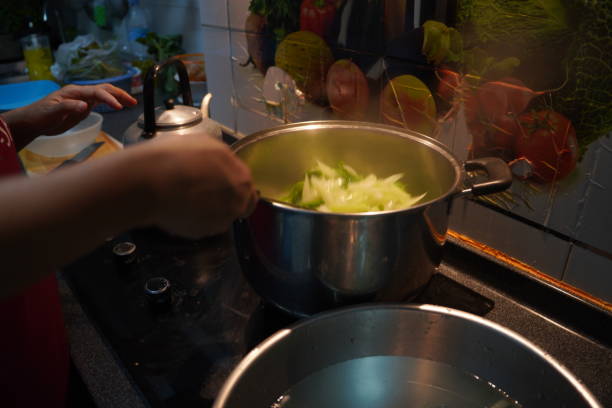
The most reliable method for home cooks is the double boiler, a technique that provides indirect, gentle heat. To execute this, one places a heatproof bowl over a pot of simmering water, ensuring the bottom of the bowl does not touch the water. The steam from the simmering—not boiling—water warms the bowl, which in turn melts the chocolate gradually. It is crucial to keep the water at a bare simmer; vigorous boiling creates too much heat and increases the risk of steam condensation dripping into the chocolate. The chocolate should be chopped uniformly into small pieces to ensure even melting. As the chocolate softens, it must be stirred frequently and gently with a dry spatula until it becomes entirely smooth. This method offers maximum control, minimizing the risk of hot spots that can occur with direct pan heating.
For those seeking convenience, the microwave can be a viable tool if used with extreme caution. The key is to use low power, often labeled as 50% power, and to employ short bursts of heating. Chocolate should be chopped and placed in a dry, microwave-safe bowl. Heat for 30-second intervals, removing the bowl and stirring thoroughly after each burst. The residual heat will continue to melt the chocolate between intervals. This stirring is non-negotiable, as it redistributes the heat and prevents the edges from burning. While faster, the microwave method requires vigilant attention, as chocolate can hold its shape even when quite hot, leading to accidental overheating if not stirred.
Regardless of the method chosen, preparation is paramount. All equipment must be completely dry, and the chocolate should be removed from the heat source while a few small lumps remain. These final pieces will melt through residual heat with continued stirring, a process called “carrying over,” which safely brings the chocolate to its ideal working temperature. Once melted, chocolate can be kept fluid for a short time by placing the bowl over a pot of warm, not hot, water.
Ultimately, melting chocolate flawlessly is a testament to the cook’s respect for the ingredient. It rewards a slow and steady approach, rejecting haste. By prioritizing gentle, indirect heat and maintaining a dry environment, one coaxes the chocolate into a state of silken perfection. This transformed liquid becomes not a testament to kitchen struggle, but a smooth, lustrous canvas ready to elevate any culinary creation, proving that the finest results often come from the most careful and considered techniques.