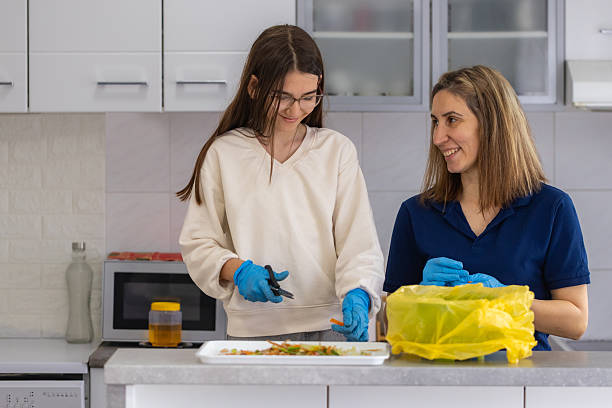
The Art of Fairness: Balancing the Kitchen Workload

The foundation of any fair arrangement begins with a conversation that moves beyond a simple roster of duties. It requires an honest audit of not just the visible act of cooking, but the entire “mental load” of the kitchen. This invisible labor encompasses meal planning, inventorying pantry staples, researching recipes, compiling shopping lists, and tracking dietary preferences or restrictions. One person may physically chop the vegetables, but if the other is solely responsible for deciding what vegetables to buy and what meal they will become, the workload is inherently unbalanced. Fairness, therefore, must account for this cognitive effort. A truly equitable system ensures that the planning, execution, and cleanup phases are all acknowledged and distributed in a way that feels manageable for all involved.
Individual preferences, skills, and schedules must also be woven into the fabric of the agreement. A fair split is not necessarily a fifty-fifty division of identical tasks every single day. It might instead play to each person’s strengths or tolerances: one partner finds therapeutic calm in the methodical work of prep, while the other enjoys the creative flair of seasoning and sautéing. Another might despise dishwashing but happily take on weekly bulk cooking for the freezer. Simultaneously, rigid schedules often clash with the fluidity of life. A fair system incorporates flexibility, allowing for trades and understanding during particularly demanding weeks at work or periods of low energy. The goal is equity over equality—a balance of effort and consideration across time, rather than a perfect daily scorecard.
Crucially, fairness is deeply intertwined with appreciation and a willingness to engage. The most demoralizing scenario in a shared kitchen is not an uneven split, but the presence of a passive consumer—someone who offers no help, no input, and only critique. Fairness flourishes when all parties view the kitchen as a shared domain. This means the person not cooking that night might still set the table, pour drinks, or simply keep the cook company, actively acknowledging the labor being undertaken. It means receiving a meal, however simple, with gratitude. This culture of participation transforms cooking from a chore assigned to one into a collaborative, even connective, household ritual.
Ultimately, maintaining fairness is an ongoing process, not a one-time policy decree. It requires regular check-ins, a willingness to renegotiate as life circumstances change, and a shared commitment to the principle that domestic labor is valuable work. Perhaps one month, the split is seventy-thirty due to a major project deadline, with the understanding that the balance will shift again soon after. This dynamic reciprocity is the heartbeat of a fair kitchen.
In the end, splitting cooking tasks fairly is less about who peels the potatoes and more about fostering a shared sense of care. It is the understanding that feeding ourselves and each other is a profound act, and that sharing the responsibility—both physical and mental—lightens the load for everyone. When approached with communication, flexibility, and mutual respect, the kitchen stops being a battleground of chores and becomes, instead, a place where fairness is literally cooked into the daily life of a home.