The Synchronized Sizzle: Mastering the Art of Coordinated Burger and Fry Service
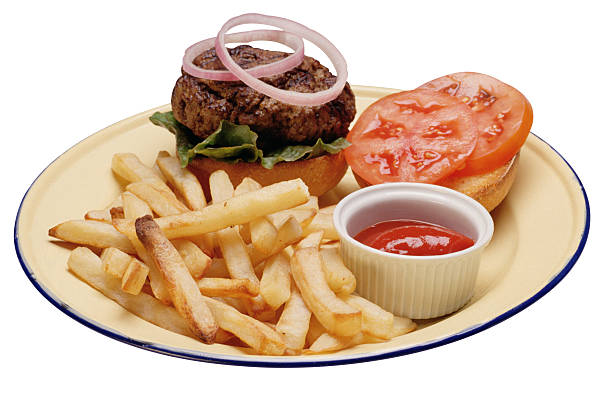
The foundation of this coordination is a clear acknowledgment of the different characteristics of fries and burgers. French fries, whether homemade or frozen, undergo a process that is largely flexible in its early stages but demands precise timing at the finish. They can be blanched, par-cooked, or even held at room temperature after an initial fry, awaiting their final plunge into hot oil. This final cooking stage is relatively swift, but its result is ephemeral; fries begin to lose their crispness and cool within minutes. The burger patty, conversely, has a more linear and less forgiving timeline. From cold start to finished cook, it requires continuous, active attention. Its resting period—a non-negotiable step for juicy results—provides a critical window of opportunity. This resting time, typically five to seven minutes, is the golden period where the final fry operation can be executed.
Therefore, the effective sequence begins with the burger. All toppings—onions grilled, lettuce washed, buns toasted—are prepared in advance, creating a mise en place that eliminates last-minute scrambling. The patties are then seasoned and introduced to the heat, whether on a grill, griddle, or skillet. As they cook, the fryer oil is heating to its optimal temperature, or a sheet pan of oven fries is positioned to bake. The critical pivot point is the moment the burgers are removed from the heat for their rest. This is the cue to commence the final, high-heat cooking of the fries. For frozen fries, this means the main fry. For oven fries, it may mean a final blast of high heat. For homemade, it is the second fry.
As the fries achieve their golden crispness, the burgers are gently reabsorbing their juices, a process that also allows their internal temperature to rise to the perfect point of doneness. The fries are then drained, seasoned, and transferred immediately to a warm plate or bowl. In the final thirty seconds of the fry’s journey, the burgers can be quickly assembled: the bottom bun dressed, the patty placed, the toppings added, and the crown set. This ensures the bun does not become soggy from waiting and the burger is still warm from its rest. The fries, at their peak crispness, are plated alongside, and the symphony is complete.
Mastering this timing transforms a meal from a disjointed assembly of parts into a cohesive dining experience. It respects the integrity of each element, honoring the fry’s need for a blistering finish and the burger’s requirement for a patient rest. It is a lesson in kitchen management, demonstrating that synchronization is achieved not through simultaneous starts, but through strategic pauses and an understanding of each ingredient’s journey from heat to plate. The reward is that singular, satisfying moment when the first bite of a perfectly cooked burger is followed by a handful of fries that are still too hot to handle—a testament to a plan well executed.