The Art of the Tight Roll: Mastering Sushi at Home Without the Mess
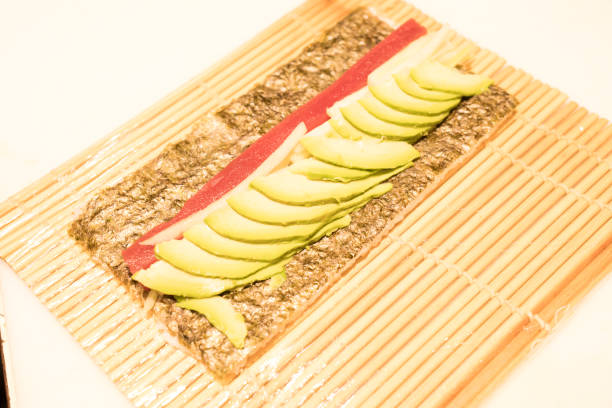
First, success is built upon the foundation: perfectly prepared sushi rice. Rice that is too dry will lack the necessary stickiness to bind together, crumbling at the slightest pressure. Conversely, rice that is too wet becomes a gummy paste that squishes out the sides and tears the nori. The rice must be seasoned correctly with the vinegar mixture while still warm, then fanned to cool it to body temperature. This process gives each grain a glossy sheen and the ideal adhesive quality. When spreading the rice onto the nori, leave a clear, one-inch border at the top edge. This bare strip of nori is crucial; it will act as the final seal when you complete the roll, using the residual moisture from the rice to glue itself shut. Equally important is a light, even layer of rice. Pressing it down too firmly compacts it into a dense, unappetizing block, while a mound that is too thick will overwhelm the roll and cause it to burst.
The fillings themselves must be considered as structural elements. The golden rule is less is more. A common mistake is overstuffing the roll with a colorful but bulky assortment of vegetables, fish, and other ingredients. This creates a core that is too large for the nori to contain, guaranteeing a rupture. Choose a few complementary fillings and cut them into long, thin strips that run the length of the nori. Lay them in a tight, horizontal line across the bottom third of the rice-covered sheet. Imagine you are building a small, efficient log cabin, not stuffing a overfull suitcase. Furthermore, ensure any ingredients with high water content, like cucumber, are seeded and patted thoroughly dry. Excess moisture will seep into the rice and nori, weakening the entire structure and leading to a soggy, fragile roll.
The actual rolling motion is where technique becomes paramount. Using a bamboo rolling mat covered in plastic wrap is non-negotiable; it provides the even, controlled pressure that hands alone cannot achieve. Begin by placing the mat under the edge of the nori closest to you. Using your fingertips, lift the mat and nori up and over the fillings, tucking them in tightly to form the initial, critical curve. This first tuck is the most important step—it defines the shape of the roll. Once you have that initial hold, continue rolling forward, applying gentle but firm and even pressure along the length of the roll with each forward motion. Do not squeeze from the ends, as this will push the fillings out like toothpaste from a tube. Instead, press down and in along the cylinder’s body. When you reach the bare strip of nori at the top, lightly dampen it with a finger dipped in water. This final touch provides the adhesive to seal the roll completely.
Finally, once the roll is sealed, place the entire bamboo mat around it and give it a few gentle, comprehensive squeezes from all sides. This consolidates the shape and ensures everything is compact and unified. Let the roll rest for a minute on a cutting board before slicing. Use a very sharp knife dipped in water between each cut to prevent sticking and tearing. With patience and attention to these principles—the rice, the fillings, and the rolling motion—the frustration of falling apart sushi gives way to the profound satisfaction of creating something beautiful, intact, and delicious with your own hands.