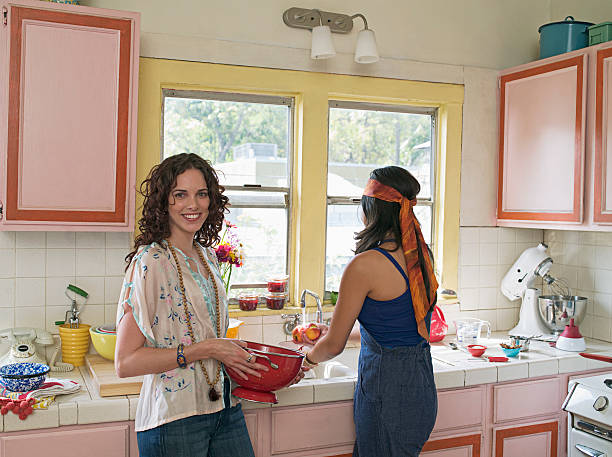
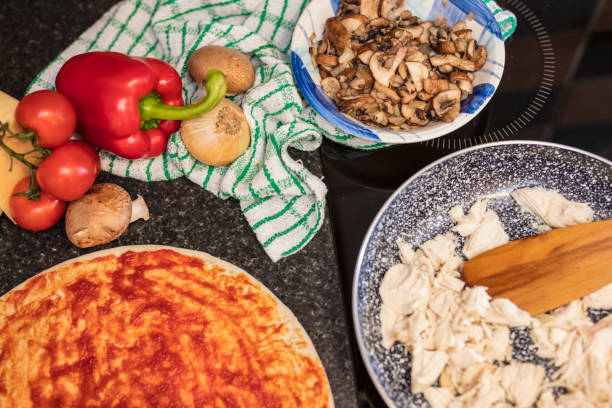
Cooking in Harmony: Mastering the Art of Teamwork in a Tiny Kitchen
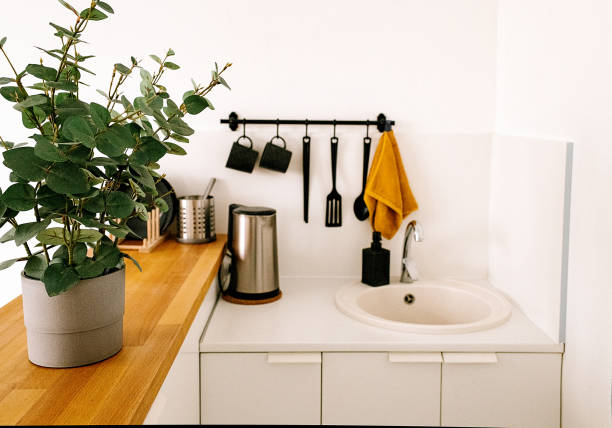
The foundation of successful co-cooking in close quarters is not physical, but mental. It begins with a conversation before a single ingredient is chopped. Planning the meal and the process together is paramount. Decide on a menu that is manageable for the space, perhaps favoring one-pan wonders or dishes with sequential steps over several simultaneous, high-action components. Then, verbally walk through the dance: who will handle the knife work at the cutting board, who will man the stove, and what tasks can be done in advance or in another area entirely? This pre-game huddle establishes a shared mental map of the workflow, preventing the chaotic collisions that occur when two cooks operate on independent, overlapping missions.
With a plan in place, the physical orchestration begins. Embrace the concept of a linear workflow, treating your kitchen not as a square to be circled, but as a production line. Designate specific, stationary zones for each primary task. One person becomes the “prep chef,“ claiming the cutting board and a small bowl for scraps, working methodically to prepare all ingredients before cooking commences. The other assumes the role of the “heat chef,“ taking command of the stove and oven, with all necessary oils, spices, and tools within arm’s reach. This clear division of labor minimizes cross-traffic. The prep chef can often retreat to a nearby table for quieter tasks like washing greens or setting the table, effectively expanding the usable workspace beyond the kitchen’s literal boundaries.
The tools and setup of the kitchen itself require thoughtful curation. Every item should earn its keep. Opt for multi-functional appliances and nested cookware to free up precious cabinet and counter space. Invest in vertical storage—wall-mounted racks for pots, knives, and utensils—to keep surfaces clear. Most importantly, practice the “clean as you go” discipline with militant consistency. In a large kitchen, a pile of dirty bowls is an eyesore; in a tiny one, it is an active obstruction. As one person finishes with a bowl or utensil, it should be swiftly washed or placed in a dishwasher, instantly reclaiming that real estate. This constant tidying is perhaps the single most effective tactic for maintaining physical and mental space, ensuring that the environment remains manageable as the meal progresses.
Ultimately, the secret ingredient to cooking together in a tiny kitchen is a generous spirit of patience and communication. A gentle “behind you” or “hot pan coming through” is essential verbal lubrication. Embrace the inevitable light bumps not as failures, but as part of the intimate choreography you are creating. There is a unique camaraderie forged in pulling off a culinary feat within spatial constraints, a shared victory that makes the resulting meal taste all the sweeter. By planning meticulously, working sequentially, curating ruthlessly, and communicating constantly, you transform the limitation of a tiny kitchen into a focused, collaborative ritual. The space may be small, but the experience of creating together within it can feel expansively rewarding.