The Art of the Ongoing Clean: Mastering the Clean-As-You-Go Philosophy
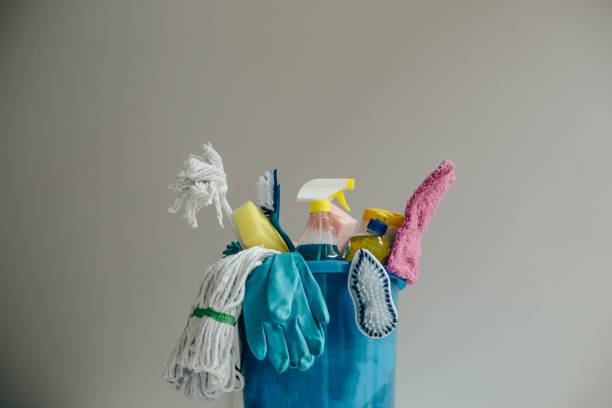
The foundation of this approach is built before the first action is even taken. It begins with preparation, a step often overlooked in the rush to begin. In the kitchen, this means assembling ingredients and equipment before heating a pan, but also placing a bowl for scraps and a soapy basin for utensils. In a workshop, it involves clearing the workbench and having waste bins and tool organizers within arm’s reach. This “mise en place,“ or “everything in its place,“ creates a stage where the performance can proceed without unnecessary interruption. By establishing dedicated homes for trash, recyclables, and tools, we create a system where every item has a predetermined destination, eliminating the decision fatigue of where to put something in the moment.
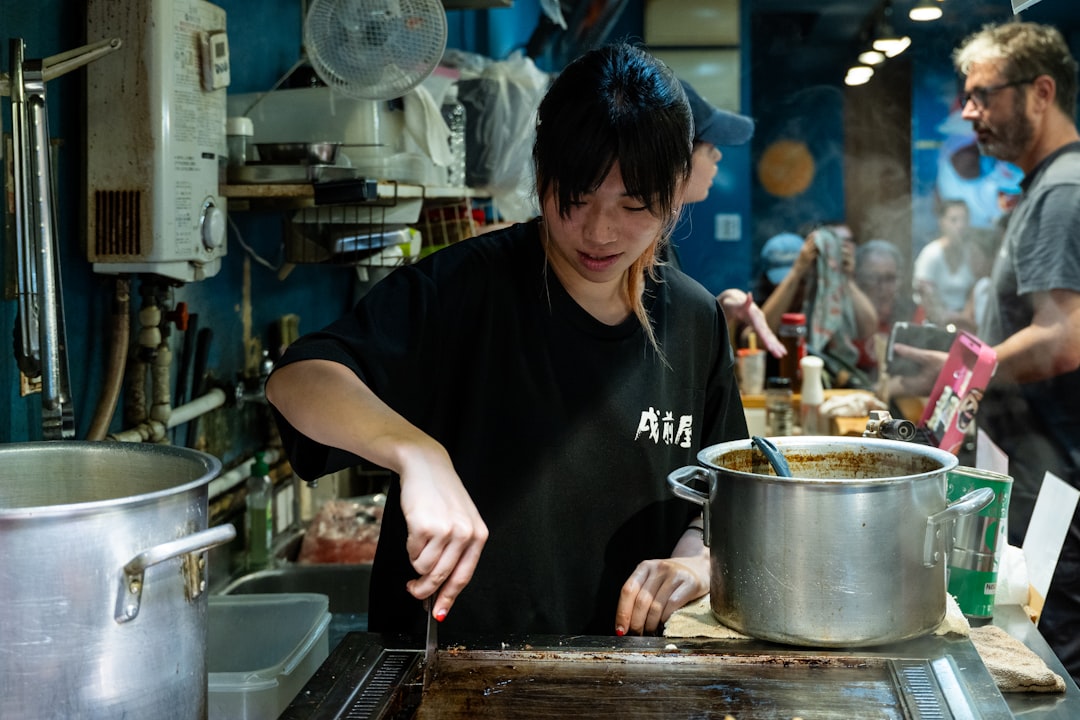
With the stage set, the core principle activates: the immediate processing of micro-messes. This is the heart of cleaning as you go. It is the act of wiping the counter while the soup simmers, of sweeping sawdust from a cut before making the next, or of filing a document immediately after use rather than letting it join a pile. This habit leverages the power of “transitional moments”—those natural pauses in any activity. Waiting for water to boil, for a coat of paint to dry, or for a computer program to load are not idle times; they are opportunities for sixty-second interventions. By addressing spills, clutter, and waste in the moment they are created, they never accumulate into an overwhelming mass. A splash of sauce is a simple wipe; dried-on grime becomes a project.
Furthermore, this method is deeply intertwined with efficiency and safety. A clean workspace is inherently safer, free from trip hazards, slippery surfaces, or obscured sharp objects. In creative or technical tasks, a clear space fosters a clear mind, allowing focus to remain on the project rather than being fractured by surrounding chaos. There is also a profound psychological benefit. The looming specter of a massive cleanup job can drain enjoyment from any activity. By integrating small cleaning actions throughout, the final “cleanup” is often just a quick wipe-down and tool return, leaving a sense of accomplishment rather than exhaustion. The activity concludes with order, not a new chore.
Ultimately, the best way to clean up as we go is to cultivate it as a gentle, persistent discipline rather than a rigid set of rules. It requires a conscious effort to reframe cleaning not as a separate, punitive task, but as an integral part of the workflow—a sign of respect for one’s space, tools, and future self. It is about listening to the small voice that suggests rinsing the knife now, and heeding it. Over time, these micro-actions become ingrained habit, a rhythm as natural as the task itself. The result is a seamless flow where creation and curation happen in tandem, leaving behind not a wasteland of clutter, but the quiet, ready order of a space prepared for whatever comes next.