The Art of the Perfect Release: Mastering Non-Stick Grilling
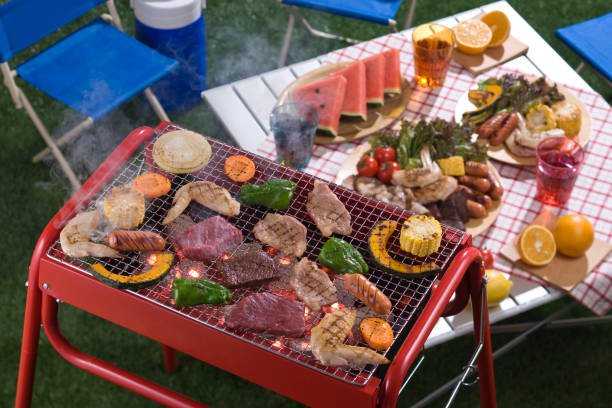
A clean grill is the non-negotiable foundation of non-stick success. Residual food particles from previous cookouts act like glue, ensuring that new items will bond to the grates. A thorough brushing with a sturdy wire brush while the grates are hot, followed by a wipe with an oiled cloth, creates a pristine surface. This cleaning ritual is followed by the critical step of preheating. Placing food on a cool or even moderately warm grill is a primary cause of sticking. The grill must be allowed to reach its target temperature—usually medium-high to high for most foods—for at least ten to fifteen minutes. This intense heat sears the food’s exterior almost instantly, creating a natural release layer. Just as a hot skillet is essential in a kitchen, a properly preheated grill is the outdoor cook’s best tool for achieving that satisfying, unassisted release.
Equally important is the preparation of the food destined for those hot grates. Moisture is the enemy of a good sear; it steams the food rather than browning it, encouraging adhesion. Patting proteins and even vegetables thoroughly dry with paper towels removes surface moisture, allowing for immediate caramelization. Following dryness, a thin, even coating of oil applied directly to the food—not poured onto the grates—provides a protective barrier. Using an oil with a high smoke point, such as canola, grapeseed, or avocado oil, is crucial, as it will not break down and become sticky under high heat. Seasonings should be applied after oiling, as salt can draw moisture back to the surface if applied too early. For particularly delicate items like fish, a light oiling of the grill grates themselves just before cooking, using a folded paper towel held with tongs, can offer extra insurance.
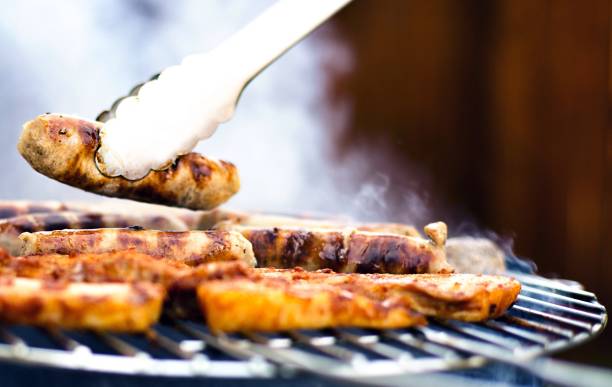
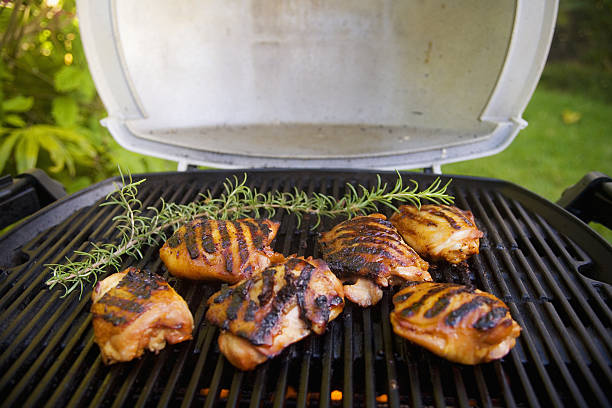
Finally, the grilling technique itself demands a disciplined restraint. The most common mistake is attempting to move or flip food too soon. When food first makes contact with the hot grill, it will initially stick. As the surface cooks and caramelizes, it will naturally release from the grate. Forcing a flip before this release occurs guarantees torn food. One should test for readiness by gently nudging the item with a spatula or tongs; if it resists, it needs more time. Using the right tools, such as thin, wide spatulas for fish and burgers or long-handled tongs for other items, helps get fully underneath the food for a confident, single-motion turn. Furthermore, ensuring the food is ready to flip minimizes the need to move it repeatedly, which can break down the developing crust and increase sticking.
Ultimately, preventing food from sticking to the grill is a harmonious blend of science and art. It is a process built on the pillars of cleanliness, high heat, dry and oiled ingredients, and patient technique. By respecting these steps, the griller transforms a routine barbecue into a seamless performance, where each piece of food surrenders from the grates with ease, revealing perfect sear marks and transferring every delicious morsel to the plate. The reward is not just intact, beautifully cooked food, but the profound satisfaction of having mastered one of outdoor cooking’s most common challenges.