Mastering Portion Control: Practical Ways to Measure Food Without a Scale

The most universally available tools for measurement are, quite literally, at our fingertips. Our hands are proportionally sized to our bodies, making them a personalized guide. A clenched fist is an excellent rough estimate for a one-cup serving of vegetables, pasta, or fruit. The palm of the hand, excluding the fingers and thumb, typically corresponds to a three-ounce portion of cooked meat, fish, or poultry—a standard serving of protein. For fats like nut butters, oils, or seeds, a thumb from the knuckle up represents about a tablespoon, while a handful of nuts or chips is generally a good single-serving approximation. This method’s elegance lies in its simplicity and constant availability, encouraging mindful eating anywhere.
Beyond our hands, ordinary household items provide reliable reference points. A standard deck of playing cards or a checkbook is frequently cited as the perfect visual for a three-ounce serving of meat. A tennis ball or baseball closely mirrors the volume of one cup of fruit, chopped vegetables, or a medium-sized piece of whole fruit like an apple. A hockey puck approximates a half-cup serving, ideal for items like grains or beans. For smaller measures, a pair of dice can represent a teaspoon of butter or oil, and a standard computer mouse is akin to a medium potato. By mentally cataloging these comparisons, one can quickly assess a plate’s composition without any physical tool.
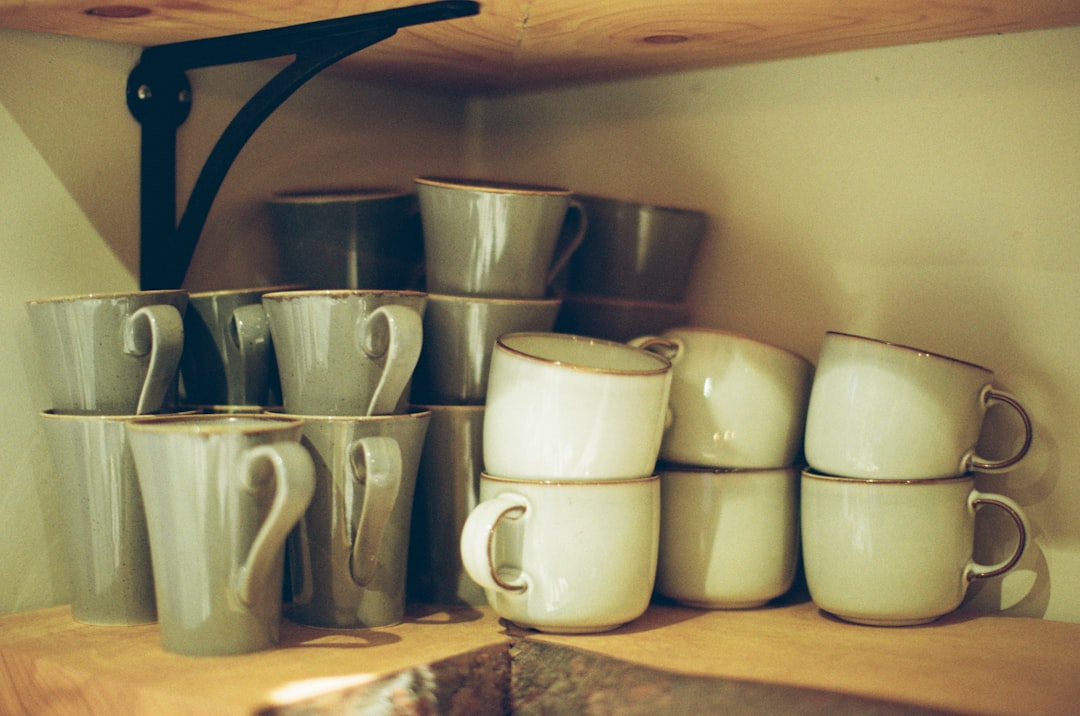
Perhaps the most direct method is to use the dinnerware itself. Understanding the capacity of your own plates, bowls, and cups can transform them into measurement vessels. For instance, a typical liquid measuring cup can be used to scoop dry goods like rice or oats, then leveled off. A small prep bowl or ramekin often holds a half-cup. Many coffee mugs hold between eight and twelve ounces, useful for broths or cereals. The key is to take a moment to learn the volumes of your specific dishes by filling them with water and transferring it to a measuring cup once. This knowledge turns every meal into an opportunity for controlled portioning without extra steps.
Finally, the plate method offers a holistic framework for balanced portioning at mealtime. Imagine dividing a standard dinner plate into sections. Fill half the plate with non-starchy vegetables like leafy greens, broccoli, or peppers. Allocate one-quarter of the plate to lean protein, using the palm-sized guide. The remaining quarter is reserved for complex carbohydrates such as quinoa, sweet potato, or whole-grain pasta. This visual strategy ensures a macro-nutrient balance without a single precise measurement, promoting proportion over precise grams. It is a powerful technique endorsed by nutritionists for building healthy, satisfying meals intuitively.
Ultimately, while kitchen scales offer precision, they are not a prerequisite for portion awareness. By cultivating an understanding of these visual and tactile guides—our hands, common objects, our own dishware, and plate geometry—we empower ourselves to make consistent, balanced food choices in any setting. This approach moves us away from rigid tracking and toward a more sustainable, attentive eating practice. It reminds us that healthy eating is not solely about numbers but about developing a keen, practical eye for nourishment.